
From Vibe Coding to Spec-Driven Engineering

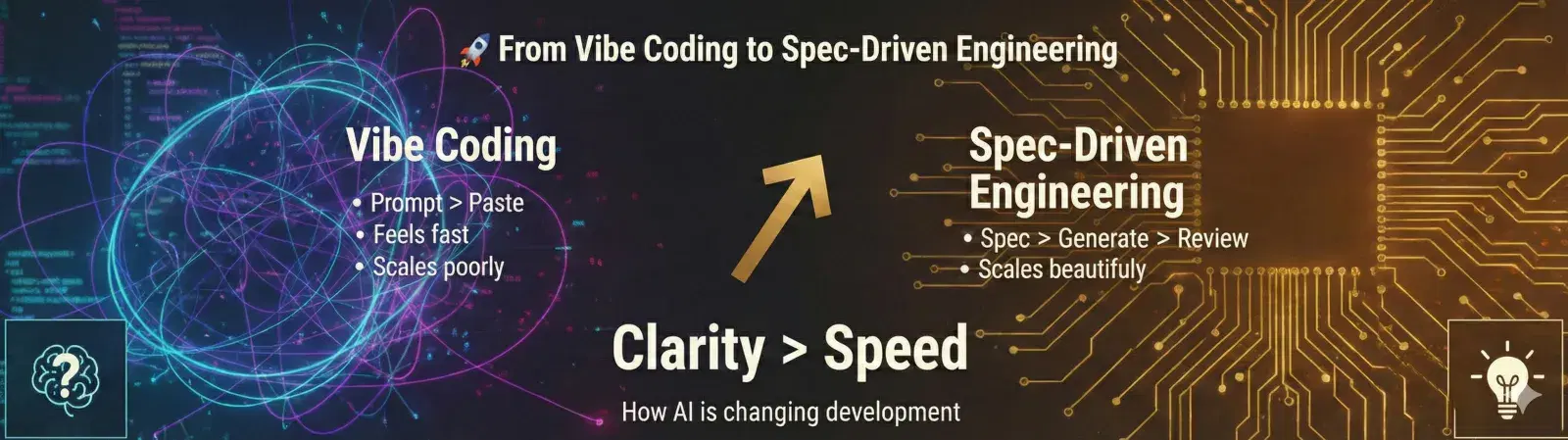
1. How AI is changing development — and why clarity beats speed
A few years ago, writing software meant staring at a blank file and thinking hard.
Today? We type one sentence and 50 lines appear.
It feels magical.
“Generate API for orders.”
“Refactor this to async.”
“Add validation.”
Boom — done.
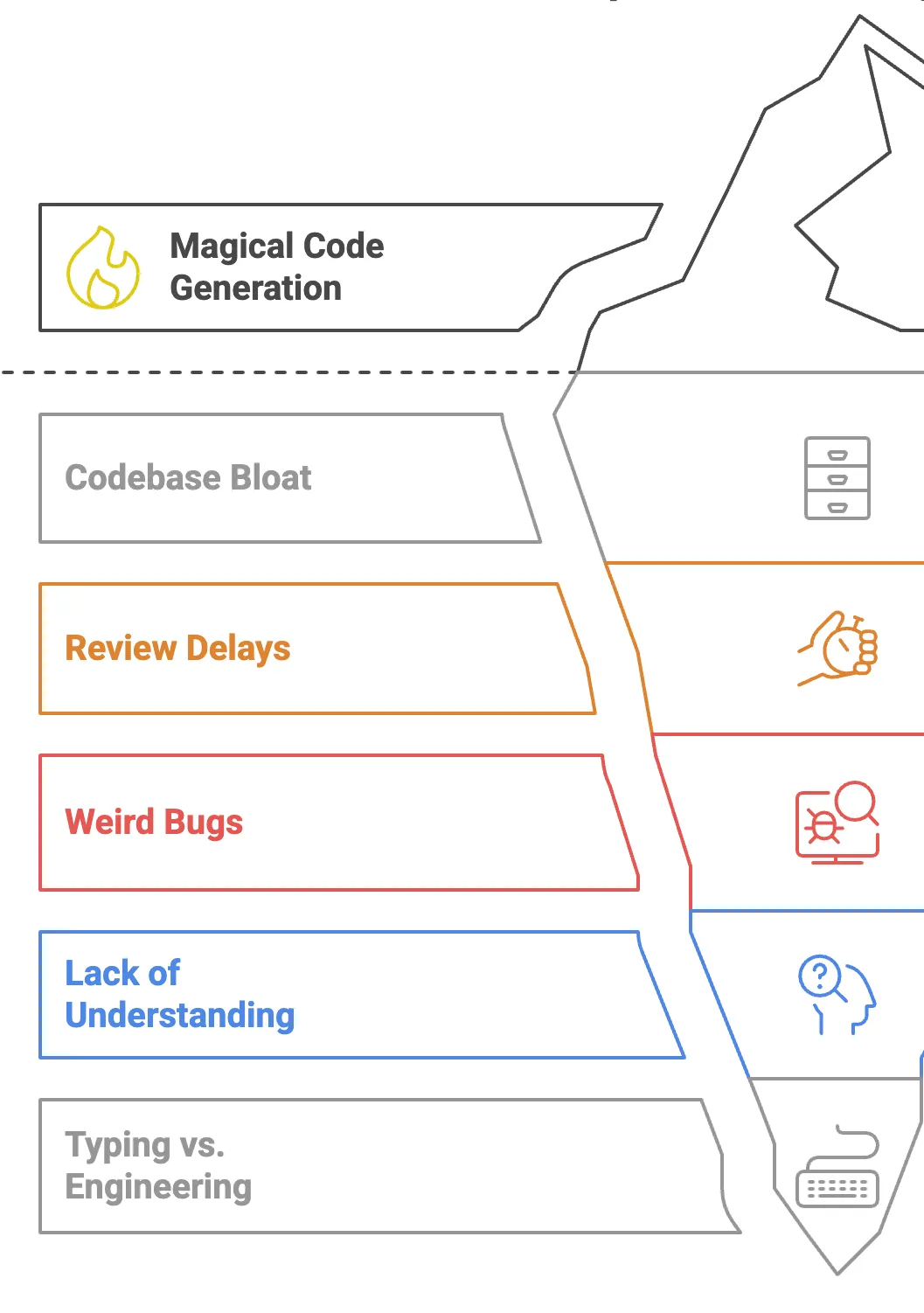
At first, it feels like we’ve unlocked superpowers. But after the excitement fades, something interesting happens. The codebase gets… heavier. Reviews get longer. Bugs feel weirder. And nobody fully understands how that “quick AI change” actually works. Welcome to the new reality of AI-assisted development.
AI didn’t remove engineering. It removed typing.
And those are not the same thing.
2. Evolution of AI-Assisted Software Development
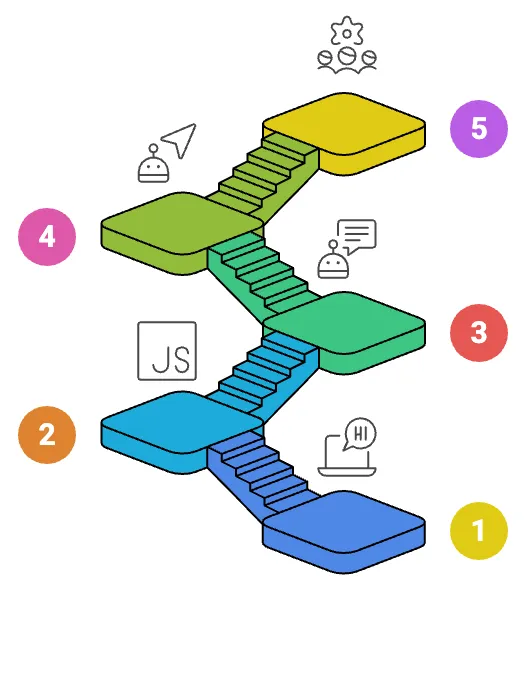
Across the industry, the role of AI has quietly evolved through stages:
Stage 1 — Autocomplete
Small suggestions. Faster typing.
Stage 2 — Snippet generator
“Write a function for X.”
Stage 3 — Pair programmer
Chat with AI. Ask questions. Refactor.
Stage 4 — Task executor (today)
“Create API + tests + docs + migration.”
Stage 5 — Agent teams (emerging)
Multiple AIs doing tasks in parallel while you supervise.
Notice something?
We’re moving from “help me code” → “help me build”. AI isn’t just assisting anymore. It’s starting to execute. And that changes our job completely.
3. The productivity illusion
Let’s be honest.
With AI, you can ship code 3–5x faster.
But here’s the uncomfortable truth most teams discover later: You can also ship mistakes 3–5x faster.
We’ve all seen it:
- Functions that “work” but don’t follow standards
- Business rules subtly wrong
- Duplicate logic
- Inconsistent patterns
- Tests missing
- Magic code nobody owns
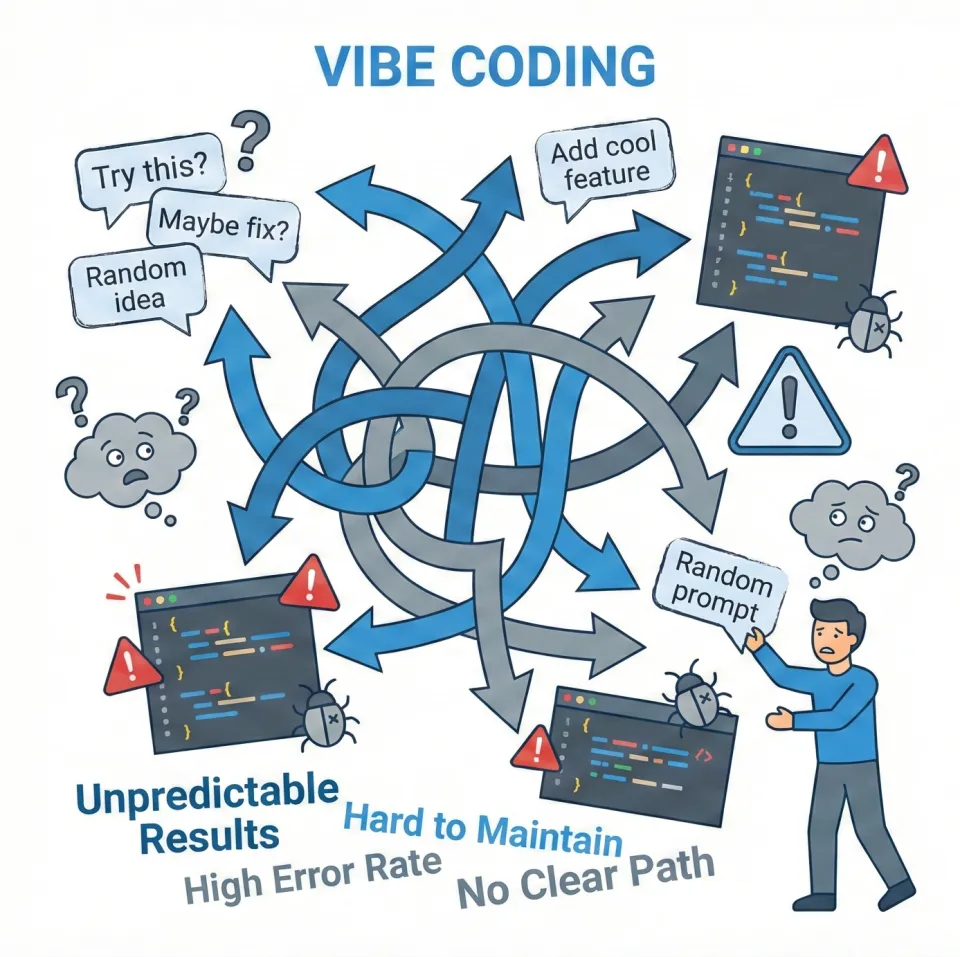
This is what I call vibe coding.
You prompt.
It generates.
You paste.
You tweak.
You move on.
It feels productive. Until 3 months later when no one understands anything.
AI didn’t break the system. Ambiguity did.
AI simply amplified it.
4. The mindset shift: from coding → engineering
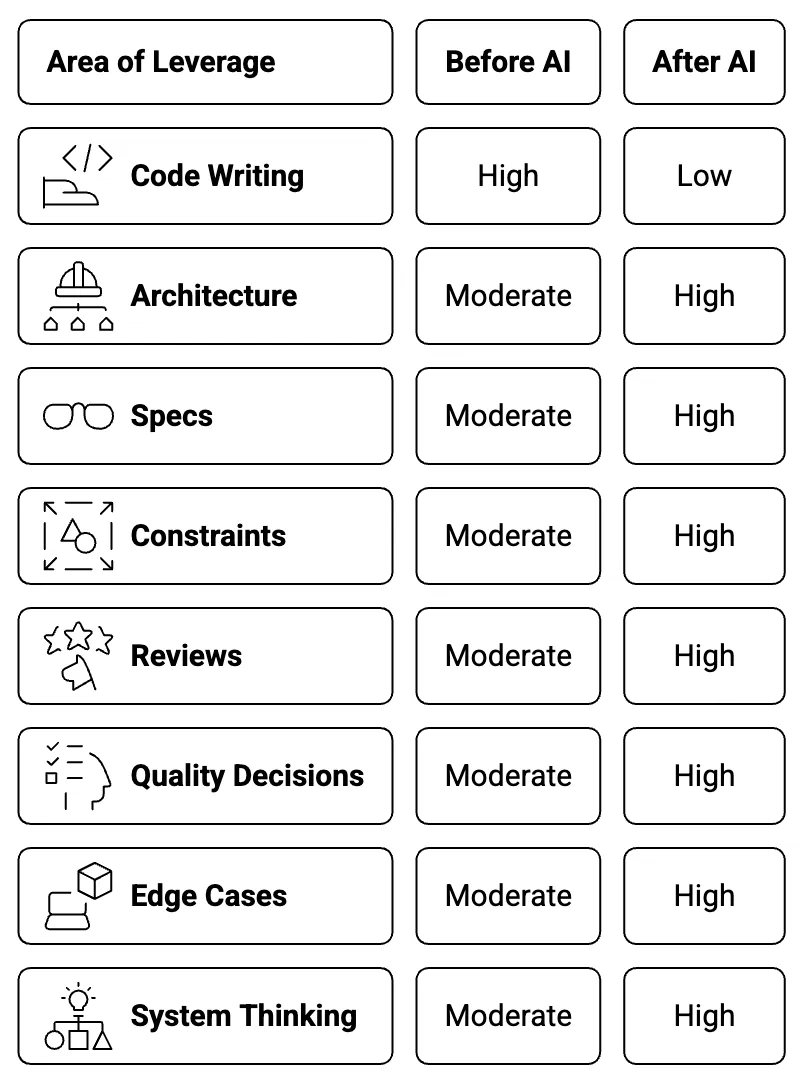
Here’s the big realization many senior teams are reaching:
The value of engineers is no longer writing code. It’s designing clarity.
Because when AI writes 70% of the code…
Your leverage moves to:
- Architecture
- Specs
- Constraints
- Reviews
- Quality decisions
- Edge cases
- System thinking
In other words: Less typing. More thinking.
That’s not a downgrade. That’s leveling up.
5. Enter: Spec-Driven Development (SDD)
Instead of telling AI: “Build order API”
You tell it: “Build order API with these endpoints, this schema, these constraints, these validations, these performance targets, and these acceptance tests.”
Suddenly:
- Output becomes predictable
- Reviews become faster
- Rework drops
- Code quality stabilizes
Because the AI is no longer guessing. It’s executing a plan.
And that’s the key difference.
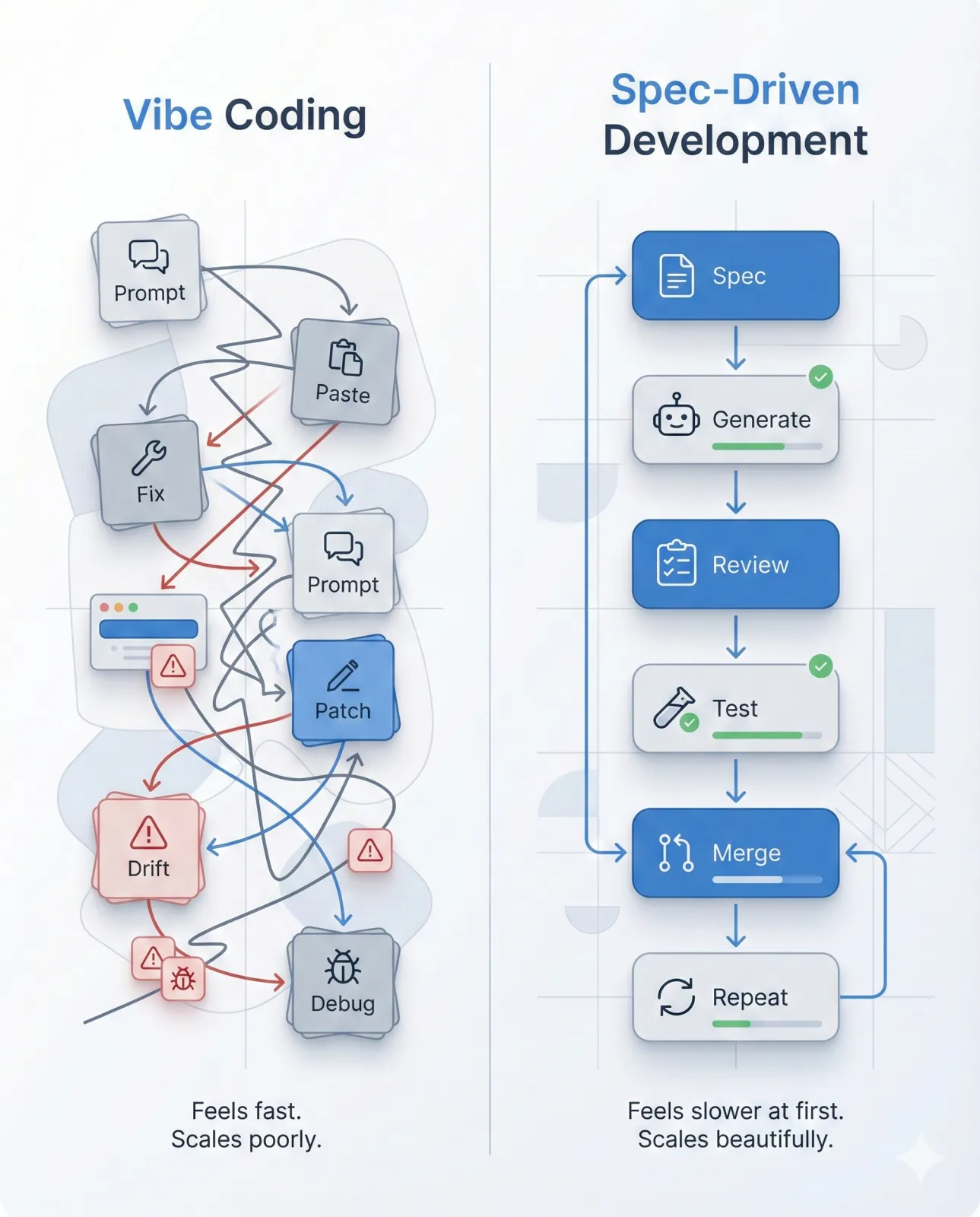
Vibe Coding
Prompt → Paste → Fix → Prompt → Patch → Drift → Debug
Feels fast.
Scales poorly.
Spec-Driven
Spec → Generate → Review → Test → Merge → Repeat
Feels slower at first.
Scales beautifully.
6. What a “spec” really looks like (it’s not heavy)
Many people hear “spec” and think documentation hell.
That’s not it.
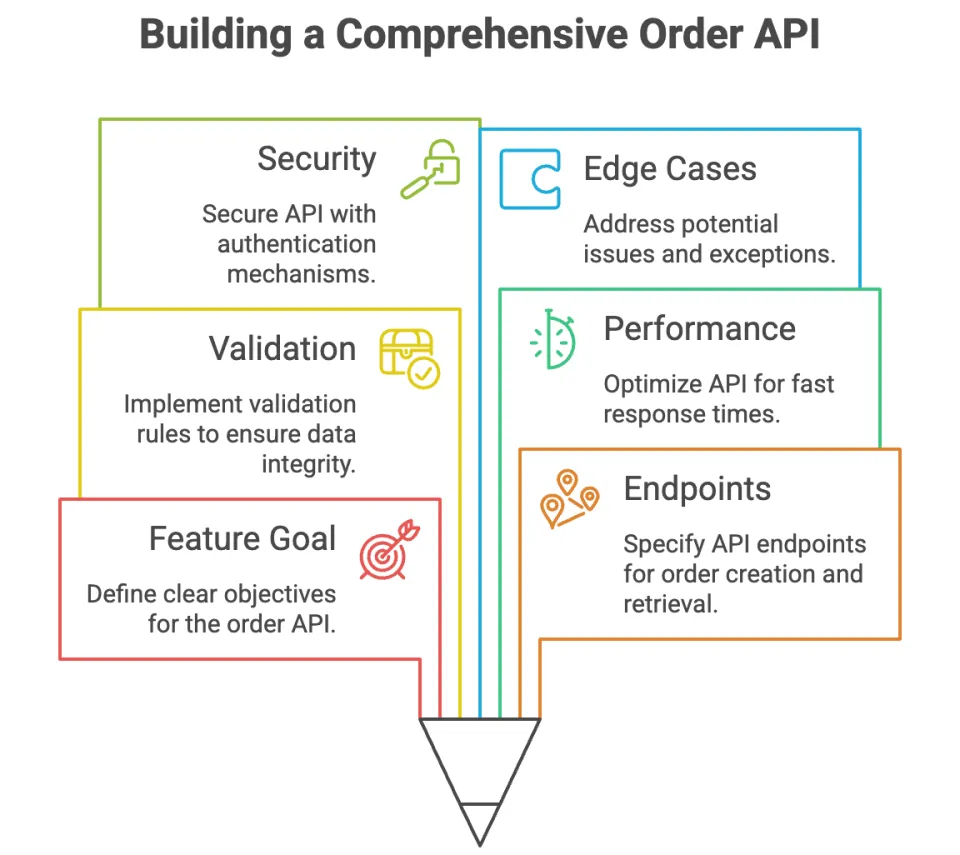
A good spec is just clarity on one page.
For example:
Feature: Order API
- Goal: Create + fetch orders
- Endpoints: POST /orders, GET /orders/{id}
- Validation: no negative qty
- Performance: < 200ms
- Security: auth required
- Edge cases: empty cart, duplicate order
- Acceptance: unit tests + integration tests
That’s it.
10 minutes of thinking can save 3 days of rework.
7. Why this matters for engineers
Here’s something nobody talks about.
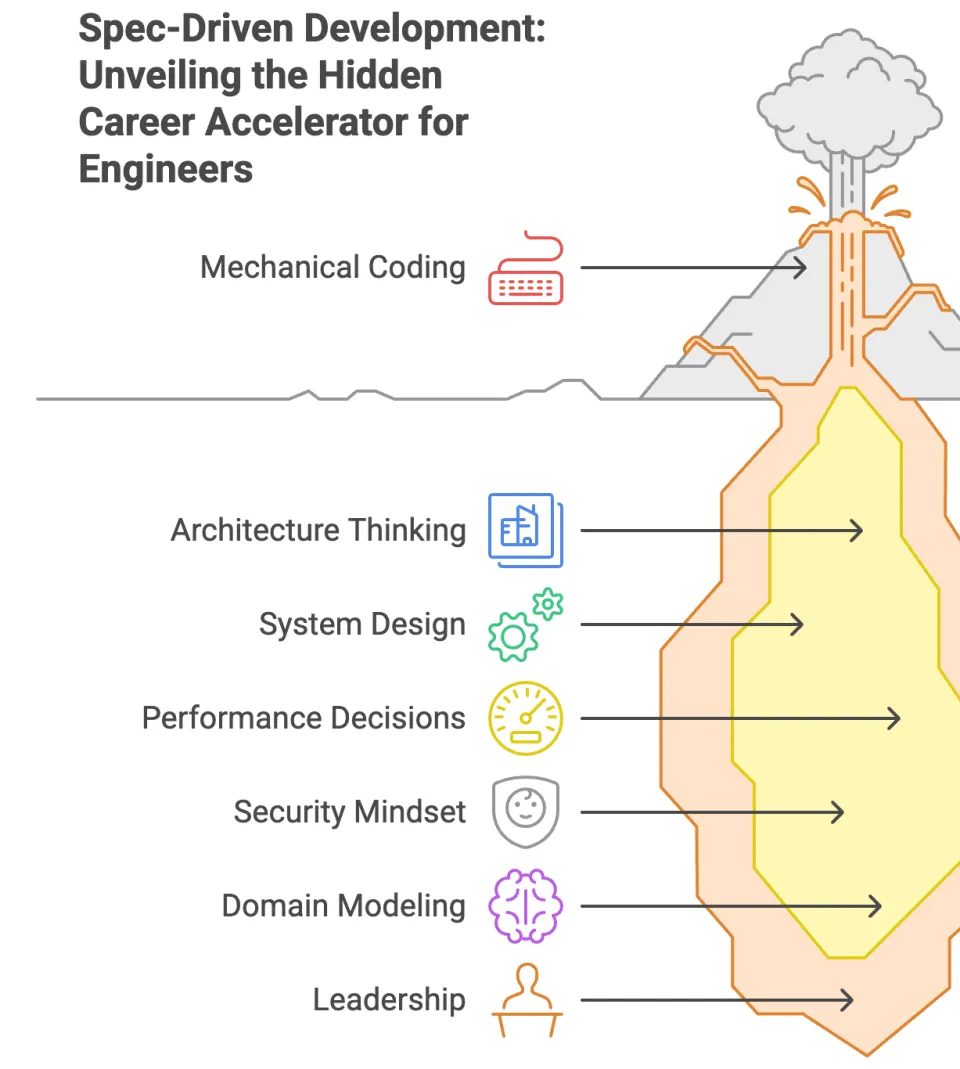
AI is not replacing engineers. It’s replacing mechanical coding.
If your identity is: “I write lots of code”
AI feels threatening.
If your identity is: “I design systems and solve problems”
AI feels empowering.
Spec-Driven Development naturally pushes you toward:
- Architecture thinking
- System design
- Performance decisions
- Security mindset
- Domain modeling
- Leadership
These are senior skills. Not junior ones.
So SDD isn’t just a process improvement. It’s a career accelerator.
8. A practical workflow you can adopt tomorrow
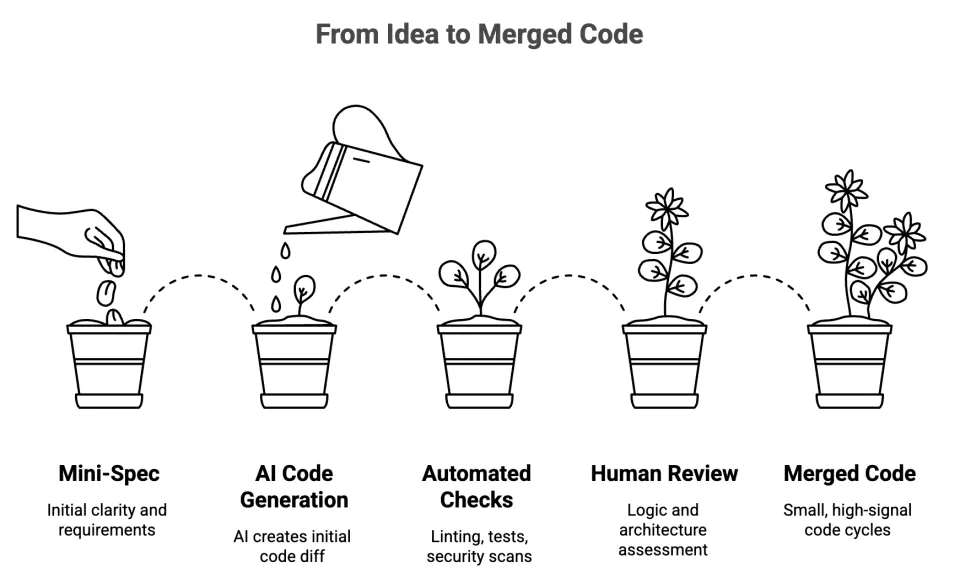
Here’s a simple, realistic team loop:
Step 1 — Write mini-spec (10–15 min)
Clarity first.
Step 2 — Let AI generate code
But only as a diff/PR.
Step 3 — Automated checks
Lint, tests, security, coverage.
Step 4 — Human review
Logic + architecture fit.
Step 5 — Merge with confidence
Small cycles. High signal. Low chaos.
9. The future isn’t “AI does everything”
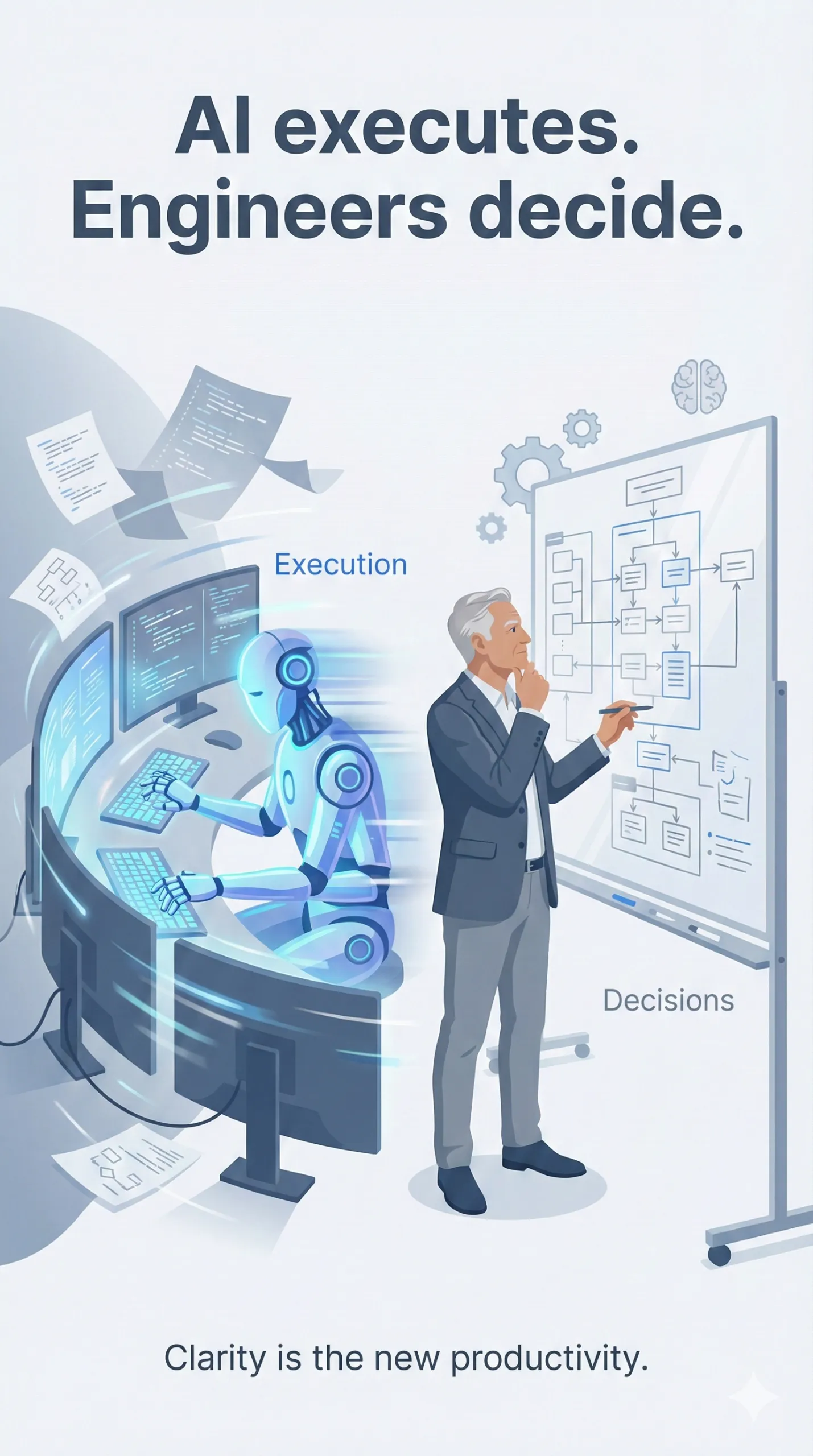
It’s: AI executes. Engineers decide.
Think of AI like a very fast intern:
- Works quickly
- Doesn’t complain
- Sometimes wrong
- Needs clear instructions
If you give vague instructions, you get vague results.
If you give precise instructions, you get amazing output.
So the skill that matters most in 2026+ is not:
❌ typing speed
❌ memorizing syntax
It’s:
✅ problem framing
✅ writing good specs
✅ system thinking
✅ guiding AI effectively
Final thought
AI didn’t make engineering easier. It made thinking more important.
Vibe coding is fun for demos. Spec-driven engineering wins in production.
The teams that thrive will not be the ones who generate the most code. They’ll be the ones who create the most clarity. Because in the AI era: Clarity is the new productivity.

Transform Your Vision into Digital Reality
Innovative Web & App Solutions Designed to Drive Growth, Efficiency, and Success for Your Business.
Categories
Tech insights and expert perspectives on thefuture of technology and eCommerce
Tech insights and expert perspectives on the future of technology and eCommerce

Let's Connect