
Headless Commerce with ACC: A Deep Dive into Architecture and Implementation

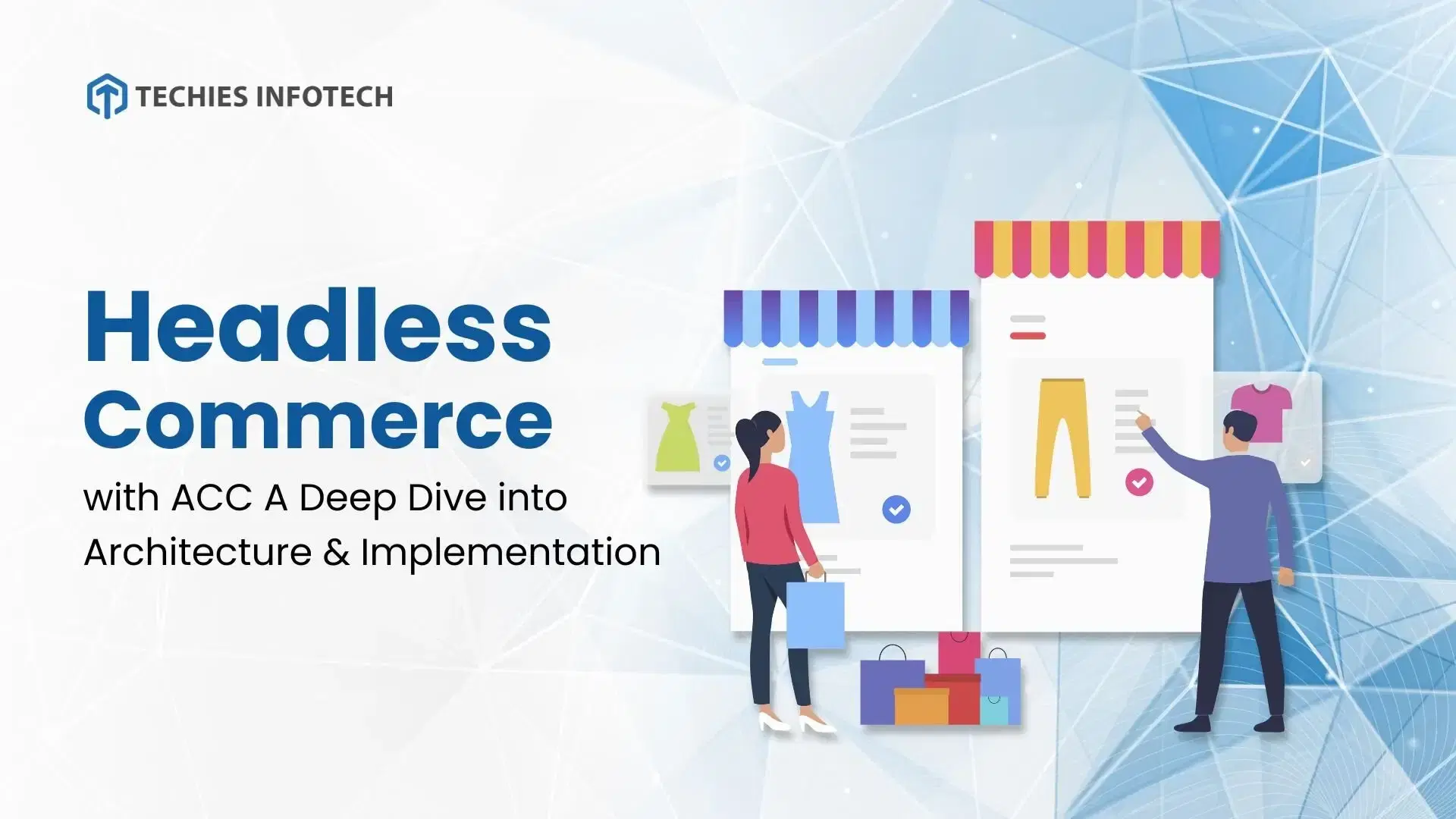
Headless commerce is a modern ecommerce development approach in which the application’s front end (storefront and user experience) is separated from the back end (your data and business logic). When a platform’s front and back end operate independently, changes on one end do not affect the other.
Adobe Commerce on Cloud (ACC) infrastructure provides an automated platform to build, deploy, and manage ecommerce applications in a cloud-native environment. Understanding the architecture and implementation of headless commerce is vital for businesses to fully leverage its benefits, from enhanced customization and performance to better integration and security. This enables businesses to create a flexible, scalable, and efficient e-commerce platform that can adapt to changing market needs and provide superior customer experiences.
Understanding Headless Commerce
Headless commerce is a modern e-commerce architectural approach that separates the application’s front end (storefront and user experience) from the back end, which manages business logic and data.
This separation allows ecommerce developers to build and manage the front and back end of the ecommerce store independently, offering greater flexibility in creating and delivering personalized customer experiences across different platforms.
Comparison with traditional commerce architecture
Traditional eCommerce architecture involves a tightly connected front and back end, where the user interface and backend logic are intertwined. This integration often limits the ability to customize and quickly adapt to market changes, as any modification in the front end might necessitate changes in the back end and vice versa.
UI updates require back-end changes, and adding new user interfaces will require adjustments to the back end. Headless commerce allows for personalized customer experiences but only makes them seamless and hassle-free because the required workload always involves changes to both the front end and back end.
Headless Commerce
With headless commerce, web stores’ front end and back end are separated, giving the front-end layer unparalleled flexibility for endless design capabilities. An API feeds data between the front end and back end, carrying most of the workload, making it simple for businesses to manage changes and improvements to their web store UI.
Benefits of headless commerce
- Enhanced Flexibility: Headless commerce allows businesses to customize the user experience without restrictions by separating the front and back end. Developers can create unique and engaging interfaces with any frontend framework or technology stack.
- Scalability: Headless architecture supports scaling individual components independently, enabling better resource management and enhanced performance during peak times.
- Omnichannel Experience: Headless commerce enables a consistent and seamless customer experience across multiple channels by reusing backend functionalities with different frontends.
- Faster Time-to-Market: Independent front-end and back-end development cycles reduce time-to-market for new features and updates, enabling organizations to quickly address customer needs and adapt to market demands.
- Enhanced Security: Headless commerce can improve security and compliance by isolating the front end and back end. Sensitive data and critical business logic remain in the backend, reducing the attack surface and ensuring compliance with data protection regulations.
What is Adobe Commerce Cloud (ACC)?
Adobe Commerce Cloud, formerly known as Magento Commerce, is an integral part of Adobe’s suite of digital experience solutions. Adobe Commerce offers a comprehensive platform for businesses to create, manage, and optimize their ecommerce stores. Adobe Commerce on Cloud (ACC) infrastructure provides an automated hosting solution with a self-service method for building, deploying, and managing your Commerce application in a cloud-native environment.
Features and Capabilities
- Customization: ACC offers extensive customization options, allowing businesses to tailor their eCommerce platform to meet specific needs and provide personalized customer experiences.
- Analytics and Insights: Integrated with Adobe Analytics, ACC provides comprehensive insights into customer behavior and sales performance, enabling data-driven decision-making.
- Seamless Integrations: Adobe Commerce Cloud seamlessly integrates with other Adobe products, including Adobe Experience Manager and Adobe Campaign, providing a unified ecosystem for managing digital experiences.
- Scalability and Performance: Built on a scalable architecture, it can handle high traffic volumes and ensure optimal performance even during peak times.
How ACC enables headless commerce
ACC supports headless commerce through its robust API-driven approach and modular architecture. It offers a full suite of APIs, enabling developers to access and manage backend functionalities independently from the front end. This decoupled approach enables businesses to leverage the flexibility and scalability of headless commerce, creating tailored and dynamic customer experiences.
Architecture of Headless Commerce with ACC
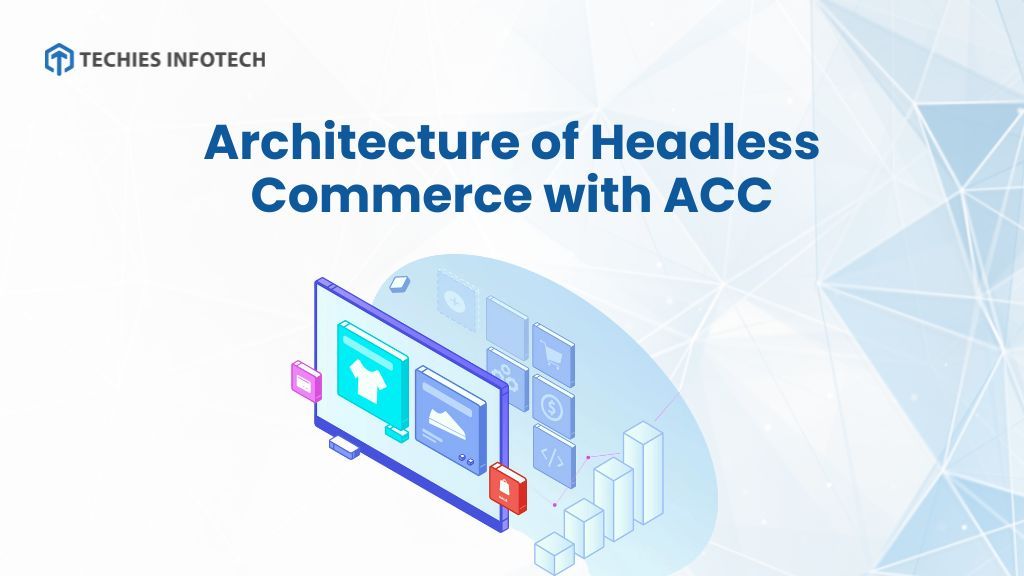
In a headless commerce setup, the front end and back end are decoupled, allowing each to be developed, deployed, and scaled independently. The back end, powered by ACC, manages business logic, data storage, and integrations with other systems, while the front end handles the presentation layer and user interactions.
The separated front end and back end communicate with each other through APIs. ACC provides a comprehensive set of REST and GraphQL APIs, enabling developers to interact with backend services such as product information, customer data, order management, etc.
- REST API: Allows interaction with the backend through standard HTTP methods.
- GraphQL API: Provides a more efficient and flexible way to query data than REST.
- Admin Panel: Interface for managing e-commerce functionalities.
Role of microservices in ACC architecture
Microservices are pivotal in modernizing the Adobe Commerce Cloud (ACC) architecture, enabling enhanced flexibility, scalability, and maintainability. By decoupling the monolithic application into smaller, independent services, businesses can improve their e-commerce platforms’ performance and resilience.
Adobe Commerce Cloud vs. Other Headless Commerce Solutions
When comparing ACC with other headless commerce solutions, it’s essential to consider several factors, including features, flexibility, scalability, and integration capabilities. Here’s how ACC stacks up against other popular headless commerce platforms:
- Customization and Flexibility
Adobe Commerce Cloud offers unparalleled flexibility with its API-first architecture and support for various front-end frameworks. While platforms like Shopify Plus and BigCommerce also provide headless capabilities, ACC’s integration with Adobe’s suite of marketing and analytics tools gives it a significant edge in delivering personalized and data-driven customer experiences. It also offers various customizations, including modules and extensions to customize your ecommerce store to meet unique business needs.
- Scalability
ACC’s cloud-based infrastructure ensures businesses scale effortlessly to handle increased traffic and transactions. Other platforms, like Salesforce Commerce Cloud, offer similar scalability, but ACC’s microservices architecture provides more granular control over scaling individual services.
- Integration Capabilities
ACC excels in integration capabilities thanks to its extensive API library and seamless integration with Adobe Experience Cloud. This holistic ecosystem enables businesses to leverage various marketing, analytics, and advertising tools, a notable advantage over competitors.
- Cost
Adobe Commerce is available as a free, open-source platform, and Adobe Commerce Cloud is a paid version that includes cloud hosting and additional features. The cost of ACC varies depending on size, requirements, and the level of customization. While ACC is feature-rich, it can be more complex and costly to implement than simpler headless solutions. However, this higher cost is justified for businesses seeking extensive customization, robust capabilities, and deep integrations with Adobe’s ecosystem.
Steps to Implement Adobe Commerce Cloud
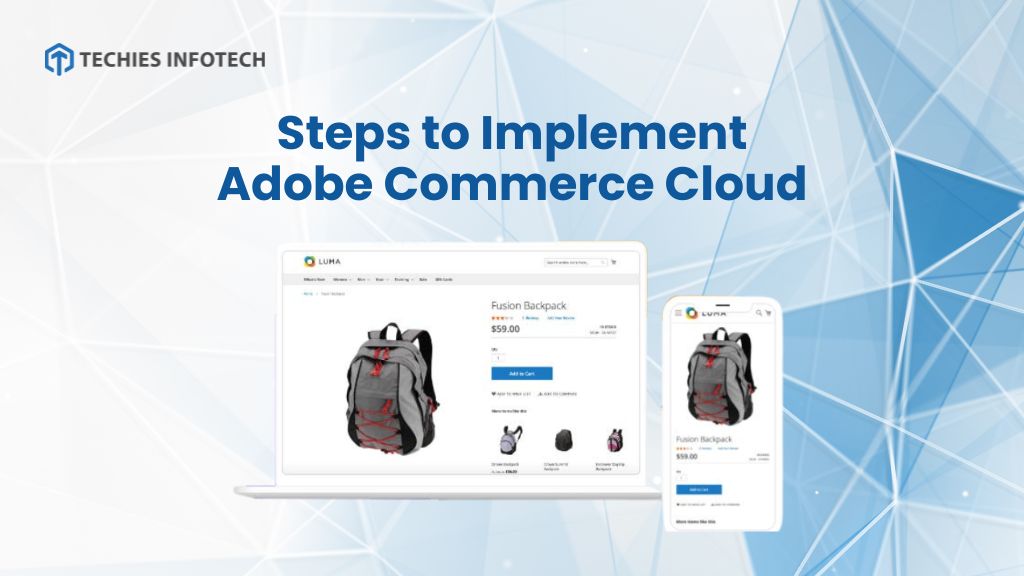
Preparing the backend (setting up ACC)
- Setup ACC Environment: Start by setting up the ACC environment, which involves configuring the necessary infrastructure, databases, and integrations with other systems.
- Configure Core Services: Configure core services such as product catalog management, customer data management, and order processing. Ensure all necessary integrations with third-party systems (e.g., payment gateways, ERP systems) are in place.
Designing the frontend architecture
Designing the frontend architecture for Adobe Commerce Cloud (ACC) in a headless commerce setup involves creating a decoupled, flexible, and scalable solution that leverages modern frontend technologies. Here’s a comprehensive guide to designing a front-end architecture:
- Choose Frontend Framework: Select a framework that best suits your business needs. Popular choices include React, Vue.js, and Angular, which offer robust features for building dynamic and responsive user interfaces.
- Design UI/UX: Create wireframes and prototypes to design an intuitive and engaging user interface. Prioritize providing a consistent and smooth user experience across different devices and platforms.
Key Components of the Frontend Architecture
Frontend Framework
- React: A popular JavaScript library.
- Vue.js: A progressive framework.
State Management
- Redux: An open-source JavaScript library used to manage and centralize a JavaScript application’s state.
- Vuex: State management pattern + library for Vue.js applications.
API Client
- Apollo Client: For GraphQL API interactions.
- Axios: A promise-based HTTP client for making REST API calls.
Routing
- React Router: For React applications.
- Vue Router: For Vue.js applications.
Build Tools
- Webpack: Module bundler for JavaScript applications.
- Vite: Next-generation front-end tooling (especially for Vue and React).
Styling
- CSS-in-JS: Styled-components or Emotion (for React).
- Preprocessors: SASS/SCSS, LESS.
- CSS Frameworks: Tailwind CSS, Bootstrap.
Content Delivery Network (CDN)
- CDN Providers: Cloudflare, AWS CloudFront, Akamai.
Integrating ACC APIs with frontend
Integrating Adobe Commerce Cloud (ACC) APIs with the front end involves setting up communication between the frontend application and the backend services using REST or GraphQL APIs. Here’s a detailed guide on how to achieve this integration:
Prerequisites
- An Adobe Commerce Cloud (Magento) backend with API endpoints enabled.
- A frontend framework (e.g., React, Vue.js).
- Familiarity with JavaScript, state management libraries, and API clients.
Step-by-Step Integration Guide
- Set Up Environment Variables: Define your API endpoints and authentication keys in a .env file to keep your configuration secure and manageable.
- Install Required Packages: Install all the packages necessary for making API requests and managing the state.
- Configure API Clients: Set up the API clients to make REST and GraphQL requests.
- Create API Service Functions: Abstract the API calls into reusable service functions.
- Configure State Management: Set up Redux (for React) to manage application state and handle API data.
- Integrate with React Components: Connect your React components to the Redux store and dispatch actions to fetch data.
- Routing and Component Integration: Ensure your routing setup and main component integration are correctly configured.
Best Practices for Implementation
Choosing the Right Frontend Framework
Selecting the appropriate front-end framework is crucial for the success of your headless commerce implementation. When deciding, consider factors such as performance, scalability, developer expertise, and community support. Popular frameworks like React, Vue.js, and Angular are known for their robustness and flexibility, making them suitable for building dynamic eCommerce frontends.
Security Considerations
- Data Encryption: Ensure that all data transmitted between the front end and back end is encrypted using secure protocols such as HTTPS.
- Authentication and Authorization: Implement robust authentication and authorization processes to safeguard sensitive data and prevent unauthorized access.
- Regular Security Audits: Conduct security and vulnerability assessments to identify and eliminate potential risks.
Performance Optimization Techniques
- Caching: Implement various caching strategies to reduce the load on the backend of your ecommerce store and reduce response times for frequently accessed data.
- Lazy Loading: Use lazy loading techniques to load content as needed, improving initial page load times and overall performance.
- Content Delivery Network (CDN): Utilize a CDN to distribute content globally, reducing latency and improving load times across different regions.
Testing Strategies
- Automated Testing: Implement automated testing for front and backend components to ensure functionality, performance, and security.
- Continuous Integration and Continuous Deployment (CI/CD): Implement CI/CD practices to automate the build, test, and deployment process to ensure faster and more reliable releases.
- User Acceptance Testing (UAT): Conduct UAT to validate that the system meets business requirements and delivers a seamless user experience.
Case Study: Successful Implementation of Headless Commerce with ACC
Packaging Environmental
Packaging Environmental transitioned from VisualSoft to a more robust platform leveraging Adobe Commerce Cloud (ACC). This shift to headless commerce enabled Packaging Environmental to streamline its business operations, enhance the customer journey, and achieve improved data flow.
Problem Statement
Packaging Environmental’s existing platform, VisualSoft, had limitations. The system needed more flexibility to accommodate business needs and ensure compliance with GDPR regulations. They sought a more versatile solution that could deliver a seamless customer experience and strengthen their digital presence.
Strategy and Implementation
Packaging Environmental opted for a headless commerce approach with ACC at its core. This strategy separates the front-end presentation layer from the back-end commerce engine, enabling them to create a bespoke customer experience tailored to their brand identity. ACC’s robust features also ensured GDPR compliance, addressing a critical concern for the Packaging Environmental.
Results
By implementing headless commerce with ACC, Packaging Environmental achieved significant improvements in several areas:
- Enhanced Customer Experience: The new platform empowered Packaging Environmental to create an engaging customer experience that aligns with its brand identity.
- Improved Scalability and Flexibility: ACC’s headless architecture provided Packaging Environmental the scalability and flexibility they craved to accommodate future growth and adapt to evolving business needs.
- Boosted Conversion Rate: Headless commerce increased conversion rates by providing a more user-friendly and engaging shopping experience.
- Higher Average Order Value: A well-designed headless commerce store encouraged customers to add more products to their carts, leading to a higher average order value. Additionally, users could add a product and its counterpart from the same product page.
- Growth in Overall Revenue: Increased conversion rates and average order value contributed to significant growth in overall revenue.
Conclusion
Headless commerce, combined with the robust capabilities of Adobe Commerce Cloud, offers a powerful solution for businesses aiming to innovate and scale in the digital marketplace. By separating the front and back ends, using an API-driven approach, and adopting best practices for implementation, businesses can create unique and engaging customer experiences across multiple channels. Want to transform your e-commerce? Contact Techies Infotech for a free consultation.

Transform Your Vision into Digital Reality
Innovative Web & App Solutions Designed to Drive Growth, Efficiency, and Success for Your Business.
Categories
Tech insights and expert perspectives on thefuture of technology and eCommerce
Tech insights and expert perspectives on the future of technology and eCommerce

Let's Connect