
Why Most Shopify Search Apps Fail in the Middle East—and How We Solved it for a Medical Giant

A Deep Dive into Bilingual AI Discovery and the Power of Algolia
In the e-commerce world, "frictionless" shopping is the goal. But in the Middle East, friction is a daily reality for many customers. Imagine a patient in Kuwait searching for urgent medication. They type "دواء للسعال" (cough medicine) into the search bar, but because the store’s backend is indexed primarily in English technical terms, they get the dreaded: “No results found.”
This isn't just a technical glitch; it’s a failure in customer service. When we took on the Royal Pharmacy project, we knew that standard Shopify apps wouldn't cut it. We needed a heavy-hitter that could handle the linguistic complexity of the MENA region.
Our solution? A highly customized implementation of Algolia.
1. The Problem: The "Direct Translation" Trap
Most search apps use "Exact Match" logic. This works fine for English, but Arabic is a semitic language where one "root" word can have dozens of variations.
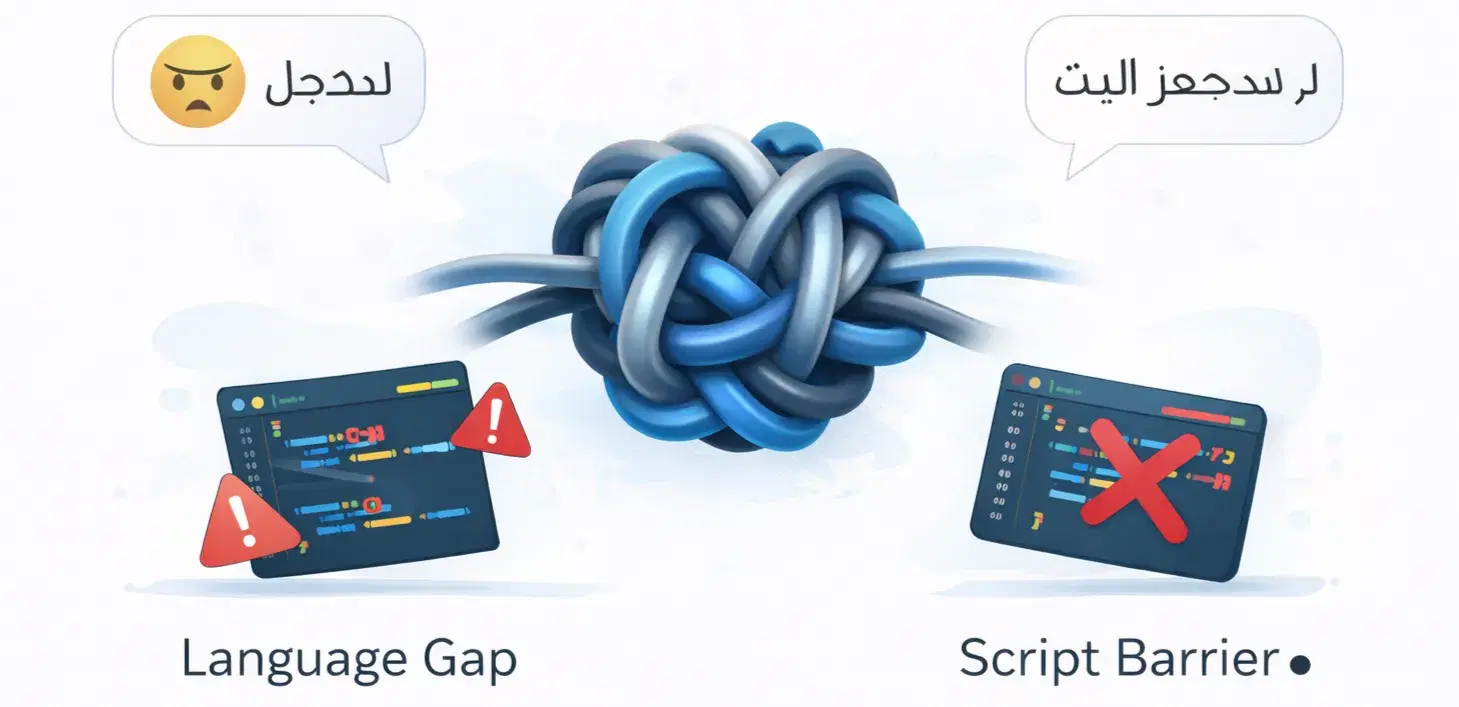
- The Language Gap: A user might search in a local dialect, but the product is listed in Modern Standard Arabic or English.
- The Technical Barrier: Medical products have technical chemical names (e.g., Paracetamol) that customers often search for by symptoms (e.g., "headache relief").
- The Script Barrier: Most apps treat Arabic and English as two separate silos. If you search in one, the app often ignores the other.
2. Why We Chose Algolia as the Core Engine
While many third-party partners struggle with right-to-left (RTL) languages, Algolia is one of the few platforms that provides the "infrastructure" needed for deep customization. However, Algolia is like an engine—it’s powerful, but it needs a skilled mechanic to tune it for a specific market like Kuwait.
How We Stretched Algolia’s Capabilities:
To solve the bilingual dilemma, we went beyond the basic setup:
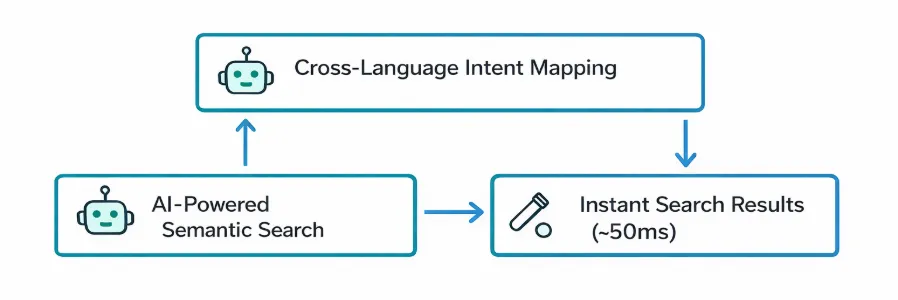
- Cross-Language Intent Mapping: We configured Algolia to treat Arabic and English as equal citizens. We built a custom "Synonym Vault." Now, when a user searches for "Flu" (English), the AI instantly knows to surface products tagged with "إنفلونزا" (Arabic).
- AI-Powered Semantic Search: We utilized Algolia’s NeuralSearch. This allowed the system to understand the concept of a query. If a mother searches for "something for a child's fever," the engine understands the intent is "Pediatric Antipyretics" and displays the correct dosage forms, regardless of the language used.
- Instant-Search Results (The "Millisecond" Rule): In pharmacy, speed matters. By using Algolia’s distributed Search Network, we reduced search latency to under 50ms, ensuring that as soon as a user types the first letter in Arabic, the English equivalent and the product images appear instantly.
3. Dynamic Filtering: The "Digital Pharmacist" Experience
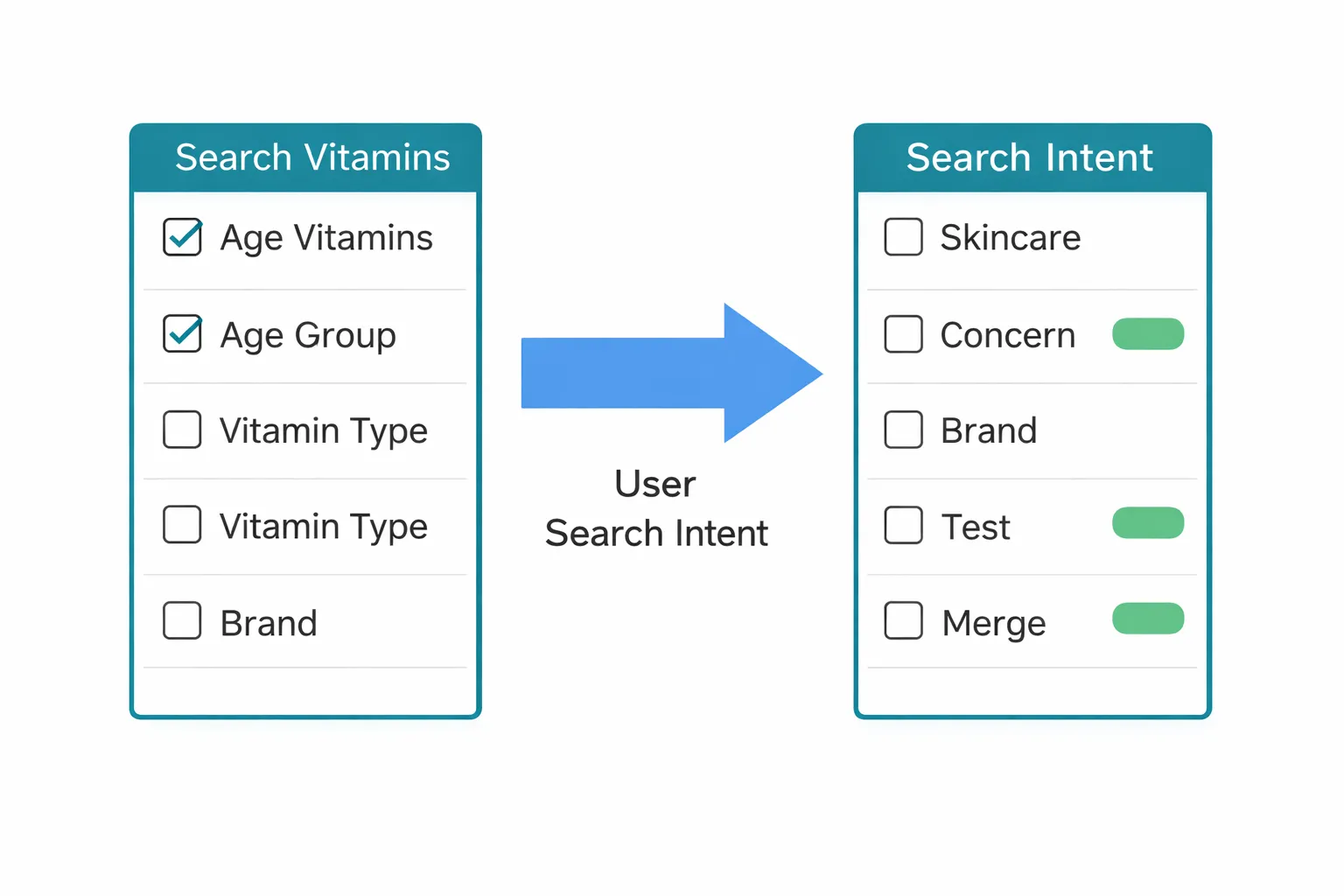
Search is only half the battle; the other half is filtering. In a pharmacy, a "one-size-fits-all" sidebar doesn't work. We built Dynamic Faceted Navigation into the Shopify storefront.
If you search for "Vitamins," the filters show "Age Group" and "Vitamin Type." If you search for "Skincare," the filters instantly change to "Skin Concern" and "Brand." This intelligence guides the user to the right product just like a pharmacist would in a physical store.
4. The Challenge: Harmonizing Medical Data with User Intent
The most complex part of this build wasn't just the code—it was the data architecture. Medical catalogs are notoriously difficult to index because they rely on technical chemical names.
We had to solve two major hurdles:
- Symptom-to-Solution Mapping: Customers don't always know the name of the medicine; they know their symptoms. We layered a custom logic over Algolia to map colloquial symptom searches to specific pharmaceutical categories.
- Safe Recommendation Logic: In a medical environment, "Customers also bought" isn't enough. We ensured that recommendations were contextually relevant. If a user is looking at a specific treatment, the AI suggests complementary, non-drug items (like thermometers or bandages) rather than conflicting medications.
Conclusion: Don't Just Translate—Connect
Operating in the Middle East requires more than a "Translate" button. It requires a deep understanding of how people think and search in two different scripts.
By leveraging Algolia’s powerful API and layering our own custom AI logic over it, we helped Royal Pharmacy move from a "standard store" to a high-performance medical destination. If your Shopify store is losing customers because your search doesn't "speak" their language, it's time to stop using basic apps and start building solutions.

Transform Your Vision into Digital Reality
Innovative Web & App Solutions Designed to Drive Growth, Efficiency, and Success for Your Business.
Categories
Tech insights and expert perspectives on thefuture of technology and eCommerce
Tech insights and expert perspectives on the future of technology and eCommerce

Let's Connect