

Unlocking the Potential: How AR is Reshaping Retail and E-Commerce

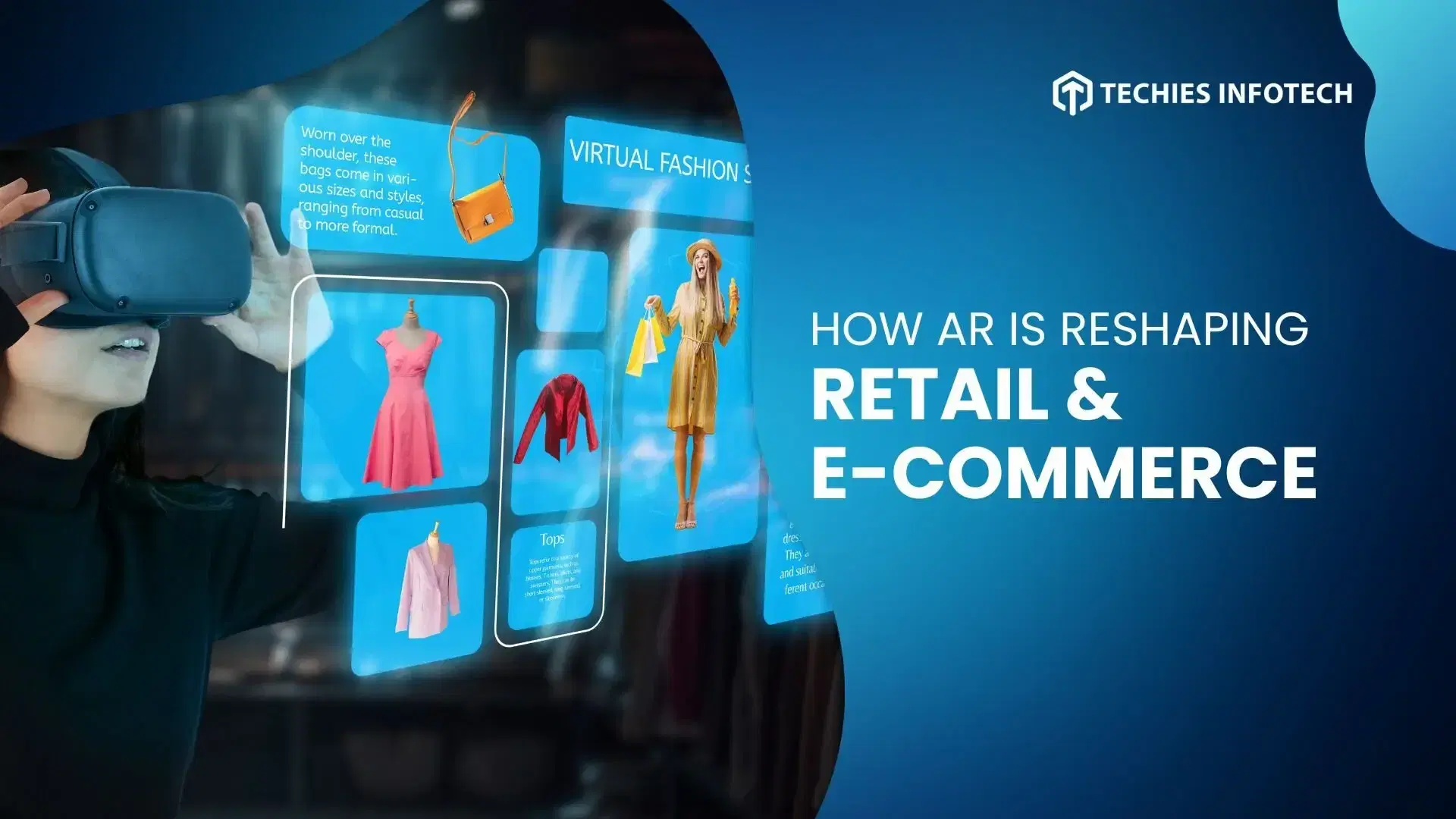
Augmented Reality (AR) stands at the forefront of technological innovation, revolutionizing the retail and e-commerce landscape. Defined as an immersive technology that overlays digital information onto the real world, AR seamlessly integrates virtual elements into our physical environment. By superimposing computer-generated content such as images, videos, or 3D models onto a user’s view of the real world, AR enhances sensory perception, offering an interactive and engaging experience.
The significance of AR in reshaping retail and e-commerce cannot be overstated. It serves as a catalyst for transforming the way consumers shop, interact with products, and make purchasing decisions. AR bridges the gap between online and offline shopping experiences by enabling customers to visualize products in their real-world context, facilitating informed decision-making. Moreover, it empowers retailers to create immersive, personalized, and interactive engagements with their audience, fostering stronger brand-consumer relationships and driving sales.
Evolution of Retail and E-commerce
The evolution of retail from traditional brick-and-mortar establishments to the burgeoning landscape of online commerce marks a transformative shift in consumer behavior and business dynamics.
Traditional brick-and-mortar stores have long been the cornerstone of retail, offering physical spaces where consumers engage directly with products. These stores provide tactile experiences, enabling customers to interact with items before making purchases. They’ve traditionally relied on location, foot traffic, and personalized customer service to drive sales. However, they face challenges in adapting to changing consumer preferences, high operational costs, and the need to innovate to compete with the growing online market.
The emergence and subsequent exponential growth of online retail have revolutionized the shopping experience. With the advent of e-commerce platforms, consumers gained access to a vast array of products from the comfort of their homes, fostering convenience and choice. Online retail’s growth trajectory has been fueled by factors such as convenience, competitive pricing, broader product selections, and the convenience of doorstep delivery. This transition has reshaped consumer habits, influencing the way people browse, shop, and make purchasing decisions.
Understanding Augmented Reality (AR)
Augmented Reality (AR) technology introduces a paradigm where digital information overlays the real-world environment, augmenting the user’s sensory experience. By seamlessly integrating virtual elements like images, videos, or 3D models into the physical world, AR enhances perception, offering an interactive and immersive encounter. It operates through devices such as smartphones, tablets, smart glasses, or specialized headsets, employing cameras and sensors to overlay digital content onto the user’s view.
Differentiating from Virtual Reality (VR), AR enriches the real world by adding digital elements, whereas VR creates entirely immersive, simulated environments. AR enhances the existing environment by superimposing digital information, allowing users to engage with both the virtual and physical realms simultaneously. VR, on the other hand, transports users to entirely synthetic, computer-generated environments, typically requiring specialized headsets for complete immersion.
AR finds versatile applications across numerous industries, revolutionizing various sectors. In healthcare, AR facilitates surgical training simulations, aiding in precise medical procedures. In education, it enriches learning experiences through interactive visualizations, bringing textbooks to life. Retail benefits from AR by offering virtual try-on experiences for clothing and accessories, allowing customers to visualize products before purchase. Furthermore, in architecture and design, AR assists in visualizing blueprints and models in real-world settings, aiding in design processes. Even entertainment and gaming leverage AR to create immersive gaming experiences that blend with the physical world, enhancing user engagement and interaction.
AR in Retail and E-commerce
Augmented Reality (AR) has emerged as a transformative tool in revolutionizing the retail and e-commerce landscape, significantly enhancing the overall shopping experience. AR elevates the shopping experience by:
- Offering virtual try-on experiences for clothing and accessories. Through AR-powered applications, customers can visualize how items look and fit without physically trying them on, fostering convenience and confidence in purchase decisions.
- Visualizing products in real-world environments. AR enables customers to project products into their immediate surroundings using their smartphones or devices, allowing them to assess how items complement their space before buying, thus enhancing decision-making.
- Personalizing shopping experiences. AR applications can tailor recommendations and displays based on individual preferences and past interactions, creating a more engaging and personalized shopping journey.
The integration of AR significantly amplifies customer engagement and satisfaction levels. By offering interactive and immersive experiences, AR captures the attention of consumers, keeping them engaged and invested in the shopping process. The ability to visualize products in real-world settings or try them virtually enhances satisfaction by reducing uncertainty and increasing confidence in purchase decisions. Additionally, the personalized nature of AR-driven interactions cultivates a sense of connection between consumers and brands, further enhancing engagement and satisfaction.
AR’s impact on purchase decisions and conversion rates is profound. The ability to virtually try on products, visualize them in personal spaces, and experience tailored recommendations significantly influences purchase decisions. The confidence gained from these immersive experiences often leads to increased conversions. Studies have shown that incorporating AR in e-commerce results in higher conversion rates, as customers are more likely to make purchases after engaging with AR-enabled features due to increased confidence in product choice and suitability.
Implementing AR in Retail and E-commerce
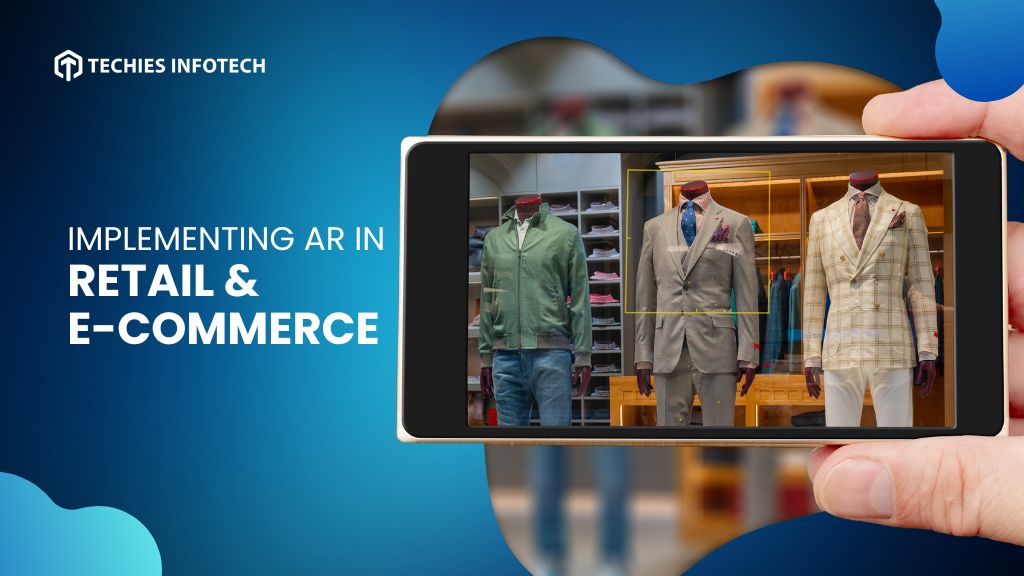
Implementing Augmented Reality (AR) in retail and e-commerce presents both opportunities and challenges, requiring strategic approaches to maximize its potential.
Challenges and barriers to adoption:
- Technological limitations: AR implementation often demands robust technological infrastructure and capabilities, which might pose challenges for retailers, especially smaller businesses, due to cost and technical expertise requirements.
- User adoption and familiarity: Ensuring seamless user experiences and user-friendly interfaces is crucial. If consumers find AR applications complicated or challenging to use, adoption rates could suffer.
- Content creation and management: Developing high-quality and diverse AR content for products requires resources and expertise. Retailers might face hurdles in creating and updating content consistently.
Successful case studies of AR integration in retail:
- IKEA: The furniture giant introduced an AR app allowing customers to visualize furniture in their homes before purchase. This interactive experience significantly enhanced user engagement and confidence in buying.
- Sephora: The cosmetics retailer implemented AR technology for virtual makeup try-on experiences through its app, providing customers the ability to test products virtually. This approach increased user interaction and led to higher sales.
- Adidas: The sports brand used AR to create an in-store interactive shoe customization experience, enabling customers to design and visualize their custom shoes in real time. This initiative boosted foot traffic and sales.
Strategies for effective implementation and overcoming challenges:
- Invest in user-friendly interfaces and intuitive AR applications to enhance user adoption.
- Collaborate with technology partners or invest in in-house expertise to address technological challenges and ensure a seamless AR experience.
- Prioritize content creation and management by establishing streamlined processes for creating and updating AR content regularly.
- Conduct user testing and gather feedback to refine and improve AR applications continuously.
- Educate and train staff to effectively promote and assist customers in using AR applications.
Conclusion
The future of retail and e-commerce will be intricately tied to AR’s evolution. Key takeaways include the pivotal role of AR in elevating customer engagement, increasing conversion rates, and driving brand loyalty. The fusion of AR with emerging technologies like AI and 5G promises even more seamless and realistic experiences, unlocking further potential for growth and innovation.
Do you want AR technology for your business? Then reach out to us and discuss your AR retail solutions.

Transform Your Vision into Digital Reality
Innovative Web & App Solutions Designed to Drive Growth, Efficiency, and Success for Your Business.
Categories
Tech insights and expert perspectives on thefuture of technology and eCommerce
Tech insights and expert perspectives on the future of technology and eCommerce

Let's Connect