


Engineering an IoT Backbone to Power India's UPI Soundbox Revolution at Million-Device Scale
Engineering an IoT Backbone to Power India's UPI Soundbox Revolution at Million-Device Scale
How Techies Infotech partnered with Walnut Medical to build a centralized Terminal Management System on AWS IoT Core—enabling real-time monitoring, remote control, and OTA orchestration across one million payment soundboxes deployed by India's leading banks and payment aggregators.


Building a Mission-Critical IoT Platform to Power India's Payment Soundbox Ecosystem
Walnut Medical operates at the intersection of hardware engineering and digital payments, manufacturing soundbox devices that power UPI transaction confirmations for India's largest banks and payment aggregators—including deployments behind brands like Paytm and Airtel. With over one million devices in active circulation across merchant networks, the company sits at the core of India's real-time payments revolution.
As deployment scaled into the millions, the absence of a unified backend made device-level visibility, control, and lifecycle management operationally impossible. Banks and aggregators required real-time fleet monitoring, remote diagnostics, controlled firmware rollouts, and secure device whitelisting—capabilities that could not be retrofitted into a fragmented stack and had to be engineered from scratch as a true enterprise-grade IoT platform.
Techies Infotech was engaged to architect and build the Terminal Management System (TMS) end-to-end. The solution was designed on AWS IoT Core with MQTT-based bidirectional communication, Node.js microservices on Amazon ECS, PostgreSQL on RDS, and a React-based operations dashboard—delivering a secure, observable, and infinitely scalable foundation purpose-built for million-device fleet operations.
Designing a Real-Time Operations Dashboard for Fleet-Scale Device Visibility
Designing a Real-Time Operations Dashboard for Fleet-Scale Device Visibility
Key Challenges
Engineering Constraints of Operating an IoT Fleet at Million-Device Scale
Engineering Constraints of Operating an IoT Fleet at Million-Device Scale
1
No Centralized Device Visibility
Devices were deployed across vast merchant networks with no unified system to monitor connectivity, transaction activity, or operational health—making fleet-wide oversight impossible at scale.
2
Lightweight Real-Time Communication
Soundbox hardware required a low-bandwidth, low-latency protocol capable of bidirectional messaging across constrained networks—standard HTTP architectures could not meet device or scale requirements.
3
Remote Device Control at Scale
Field interventions for restarts, diagnostics, or configuration changes were operationally unviable across a million-device footprint, requiring secure remote command execution from the backend.
4
Controlled OTA Firmware Rollouts
Firmware updates needed to be triggered remotely with version control, batch targeting, and rollback safety—pushing updates blindly to a live payments fleet was not acceptable.
5
Secure Whitelisting & Device Identity
Each device required cryptographic identity, authenticated provisioning, and whitelisting controls to prevent unauthorized devices from connecting to the payments network.
6
Scalability and Observability
The platform had to ingest continuous telemetry from a million concurrent devices while maintaining sub-second responsiveness, full audit logging, and zero-downtime deployment standards.
7
Multi-Tenant Aggregator Operations
Banks and payment aggregators required isolated views of their own device fleets within a shared platform—demanding multi-tenant architecture with strict data segregation and role-based access controls.
8
Transaction-Grade Reliability
As a critical layer in the UPI payment confirmation flow, the platform demanded fault-tolerant infrastructure, automated failover, and continuous availability to prevent disruption to live merchant transactions.
Our Solutions
Cloud-Native IoT Platform Built on AWS IoT Core and MQTT Architecture
Cloud-Native IoT Platform Built on AWS IoT Core and MQTT Architecture

We architected a fully cloud-native TMS built on AWS IoT Core, leveraging MQTT for lightweight bidirectional communication, containerized backend services on ECS, and a React dashboard for real-time fleet operations and control.
Our Approach
Engineering Discipline Built for Mission-Critical Payment Infrastructure
Engineering Discipline Built for Mission-Critical Payment Infrastructure
![[object Object]](https://backend.iamtechie.com/uploads/review_b40dbf769e.png)
Architecture-First Design
Architecture-First Design
Conducted deep discovery with hardware, firmware, and product teams to define MQTT topic structures, command contracts, and device lifecycle states—ensuring the backend architecture aligned precisely with on-device behavior.
![[object Object]](https://backend.iamtechie.com/uploads/balance_c36ac3f3c7.png)
Operations-Centric Dashboard
Operations-Centric Dashboard
Treated the fleet operations dashboard as a mission-critical workspace, not a UI layer. Every screen was designed to surface device status, transaction activity, and control actions with clarity and zero ambiguity.
![[object Object]](https://backend.iamtechie.com/uploads/agile_0e9ea61221.png)
Build Cloud-Native, Customize Where Needed
Build Cloud-Native, Customize Where Needed
Maximized AWS managed services to reduce operational overhead while engineering custom microservices for command orchestration, OTA flows, and whitelisting—balancing speed with precision control.
![[object Object]](https://backend.iamtechie.com/uploads/quality_1cdc83b04f.png)
Hardened Testing and Phased Rollout
Hardened Testing and Phased Rollout
Validated the platform against million-device load profiles, security benchmarks, and OTA failure scenarios before production. Phased rollouts ensured stability across live merchant networks without disrupting payment operations.
Technology
Cloud-Native Stack Engineered for IoT Scale and Reliability
Cloud-Native Stack Engineered for IoT Scale and Reliability
![[object Object]](https://backend.iamtechie.com/uploads/adobe_950ffc1681.png)
AWS IoT Core
![[object Object]](https://backend.iamtechie.com/uploads/next_65f303f14f.png)
Amazon ECS
![[object Object]](https://backend.iamtechie.com/uploads/aws_fabed31216.png)
Amazon RDS (PostgreSQL)
![[object Object]](https://backend.iamtechie.com/uploads/channable_52b06290be.png)
Amazon CloudWatch
![[object Object]](https://backend.iamtechie.com/uploads/react_61d014cd3e.png)
Amazon VPC
Node.js
React
MQTT Protocol
Key Results
Measurable Impact from Engineering an IoT Platform at Scale
Measurable Impact from Engineering an IoT Platform at Scale

Real-Time Fleet Visibility
Real-Time Fleet Visibility
Unified dashboard delivered live visibility into connectivity status, transaction activity, and device health across the entire million-device fleet—eliminating operational blind spots.

Remote Device Control
Remote Device Control
MQTT-based bidirectional commands enabled instant device restarts, diagnostics retrieval, and action triggering—removing field dependency and accelerating issue resolution.

Controlled OTA Firmware Updates
Controlled OTA Firmware Updates
Backend-triggered OTA flows enabled targeted, version-controlled firmware rollouts across device batches—replacing manual interventions with governed, repeatable deployments.

Secure Device Whitelisting
Secure Device Whitelisting
Cryptographic identity and centralized whitelisting controls ensured that only authorized devices connect to the payments network—strengthening security posture across the fleet.
Million-Device Scalability
Million-Device Scalability
Cloud-native architecture on AWS IoT Core, ECS, and RDS scaled seamlessly to support over one million concurrent devices, with headroom for continued network expansion.
Full Operational Observability
Full Operational Observability
CloudWatch-driven logging, metrics, and alerting delivered end-to-end observability—giving banks and aggregators the audit trail and operational confidence required for payments-grade infrastructure.

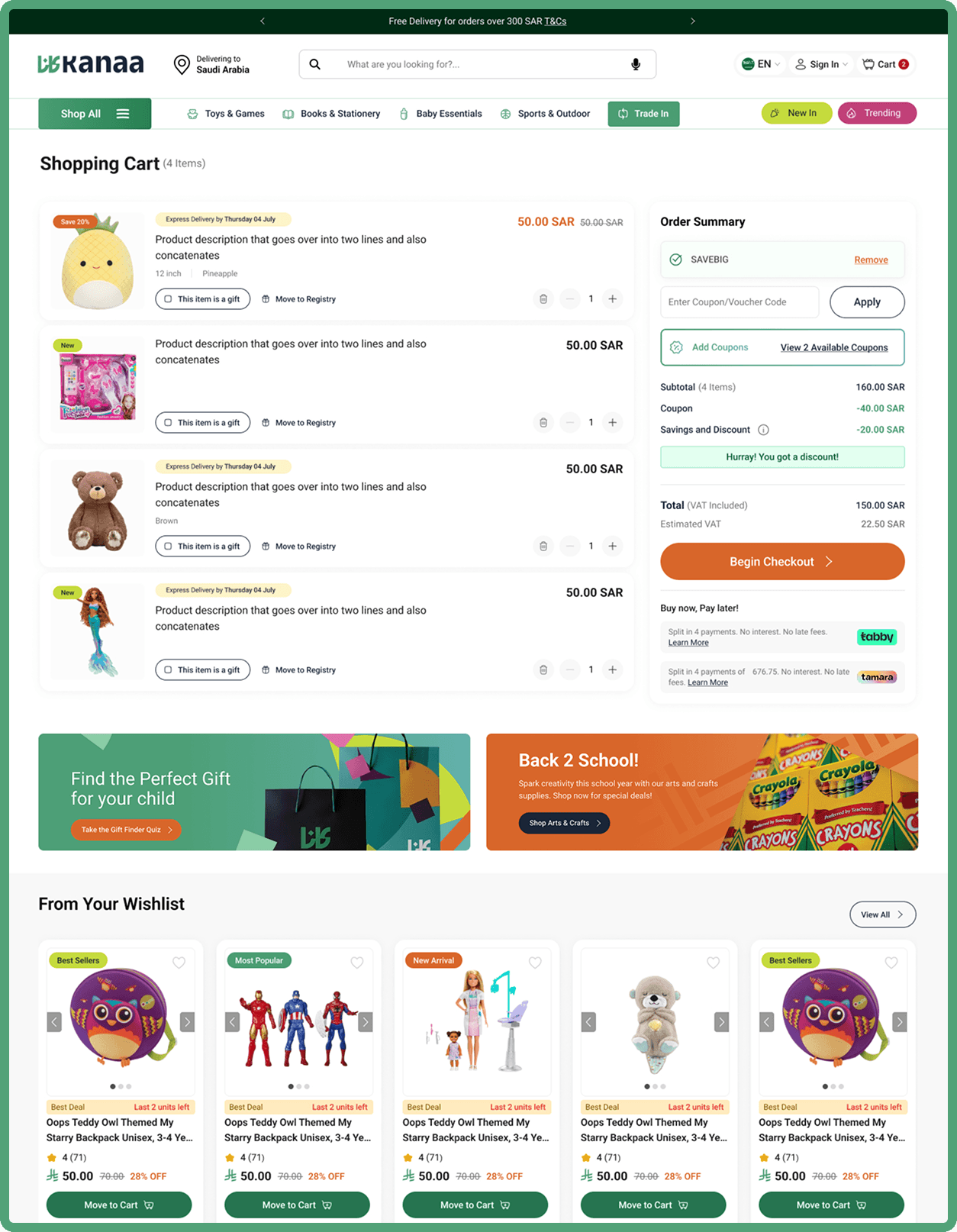
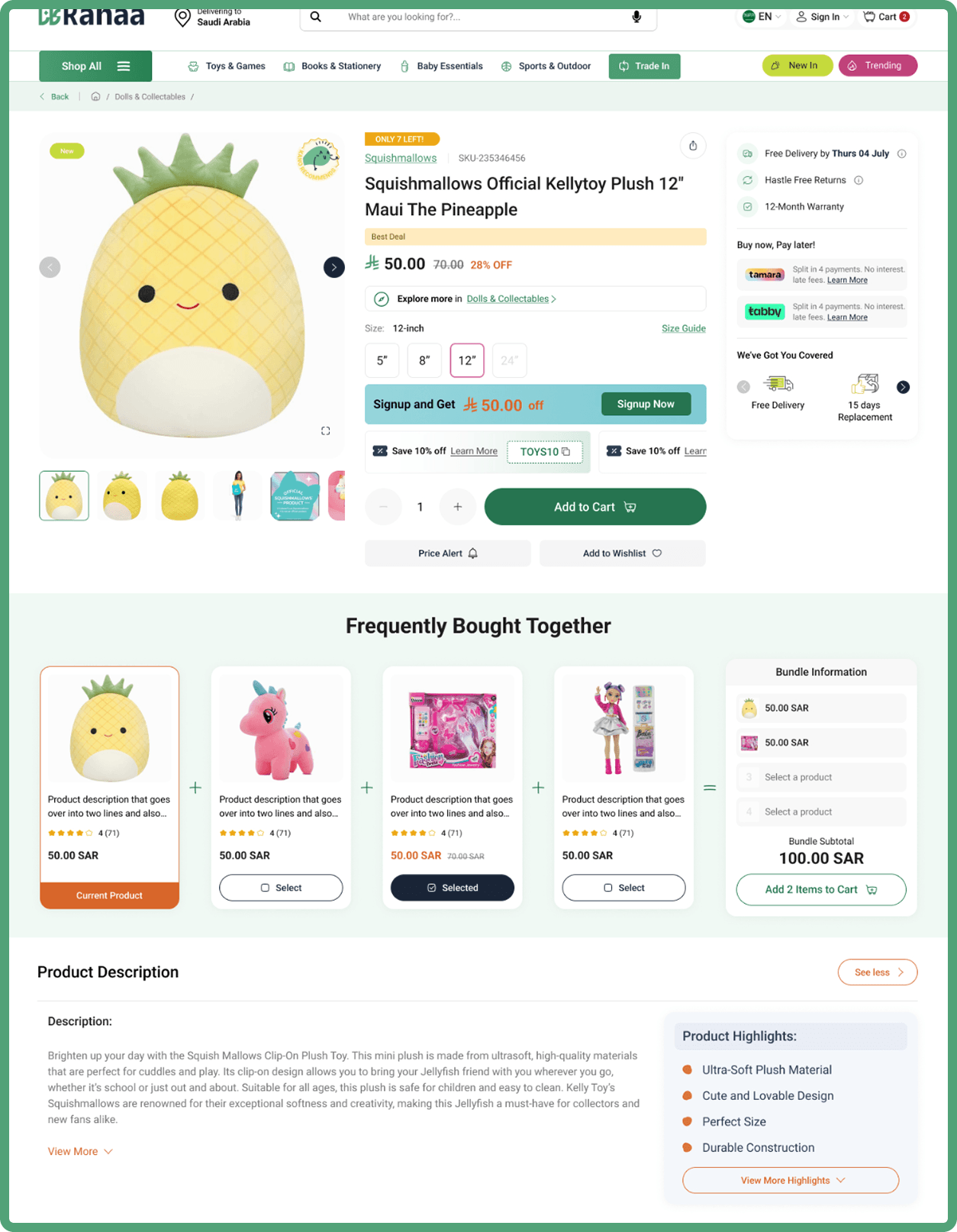
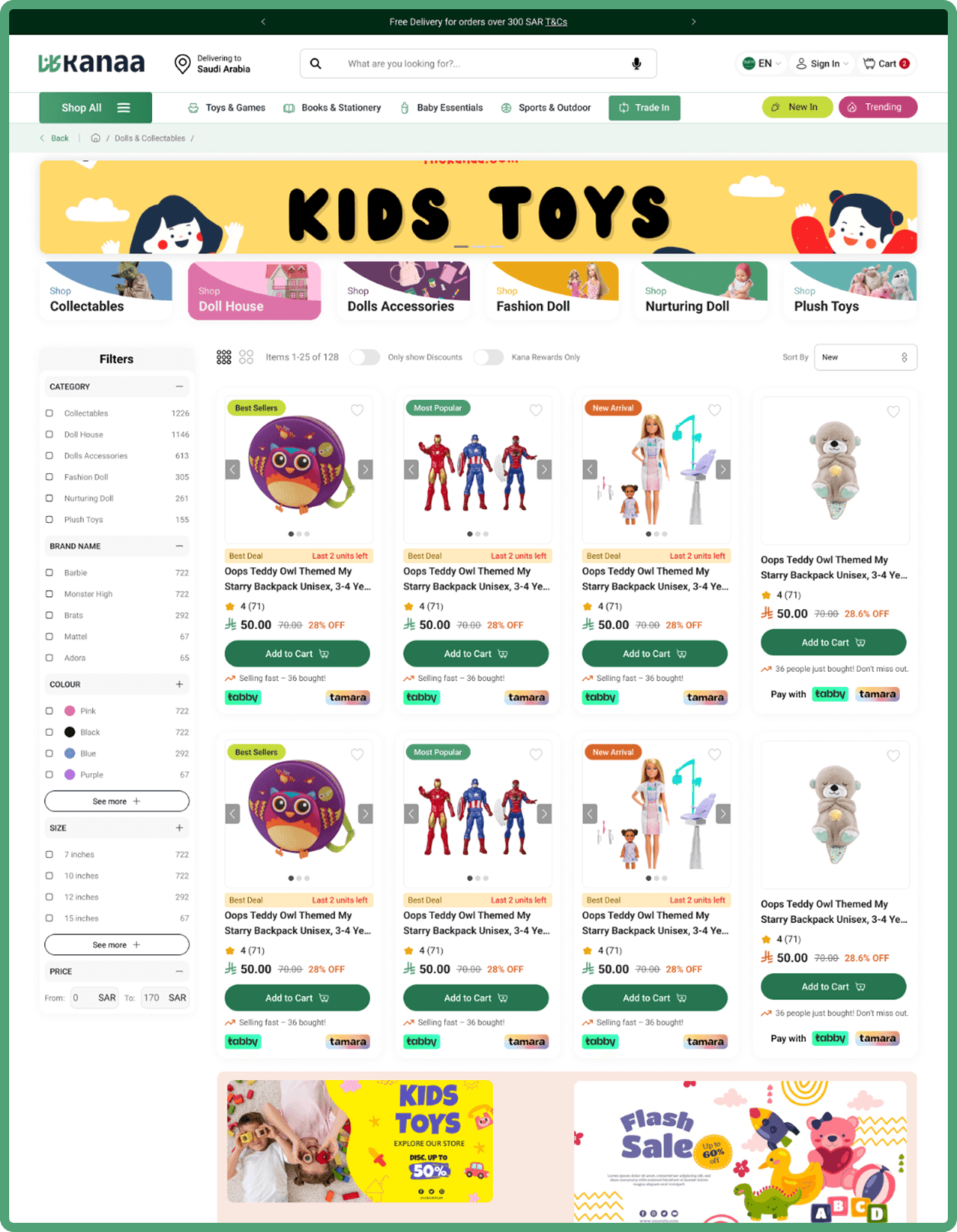
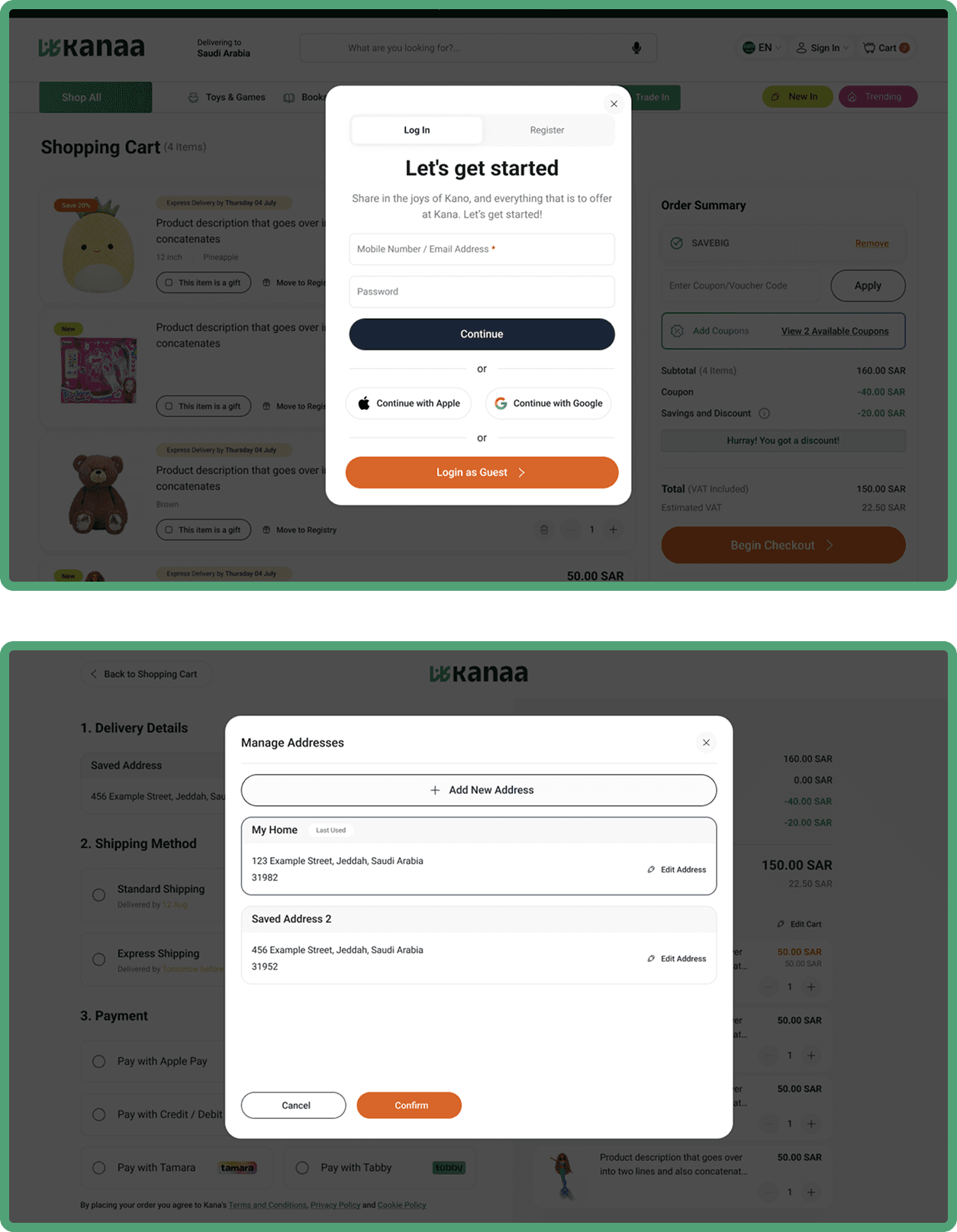
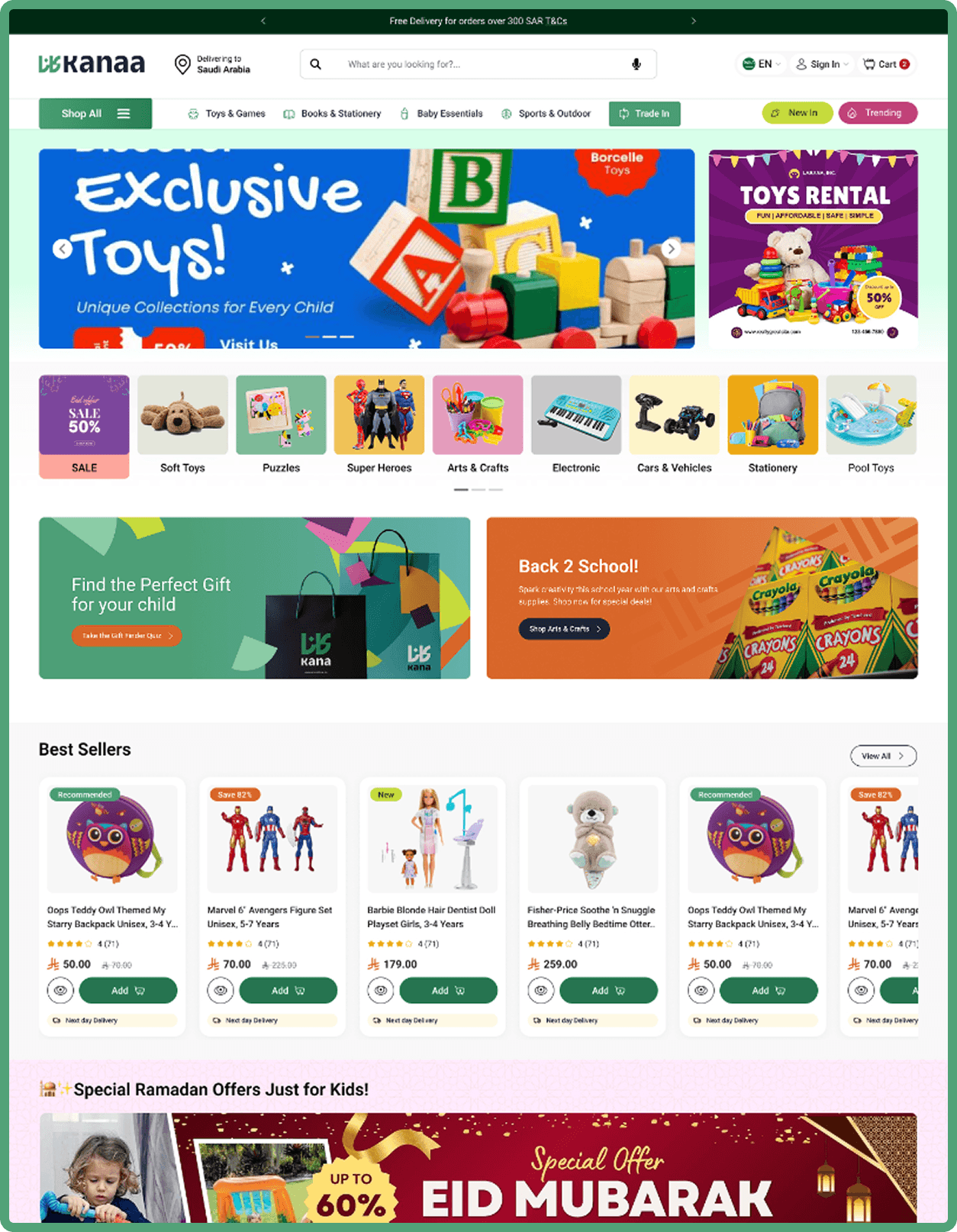
Techies Infotech delivered a seamless web & mobile experience for Kanaa that truly reflects our brand vision.— robust, scalable, and customer-first. We see Techies Infotech not just as a service provider, but as a long-term partner in Kanaa's digital journey.


Techies Infotech optimized the client's site across various devices, improved its loading times, and enhanced its user accessibility. The team maintained clear communication, promptly responded to needs, and proactively addressed concerns. Their consistency and exceptional accountability stood out.


The successful launch of Dubai CommerCity’s website marks a key milestone in our digital journey, and Techies Infotech played an instrumental role in making it happen. Their team brought unmatched expertise in enterprise portal development.


Techies Infotech's work boosted the client's organic traffic, search engine rankings, conversion rates, lead quality, and brand visibility. Moreover, the team was approachable, transparent, and communicative. Their expertise, dedication, and technical support made them an exceptional partner.


Techies Infotech helped us elevate our online customer journey across both web and mobile, with a strong focus on speed, stability, and usability. Their team was proactive in identifying improvements, delivered with solid project discipline, and made collaboration seamless across stakeholders. A dependable partner we’d be happy to recommend.

Evidence of excellence,
enterprise-grade outcomes.

Architecting Digital Commerce Infrastructure for Accelerated Market Expansion
How Techies Infotech enabled a high-growth KSA retail brand to scale across channels through composable commerce architecture—reducing time-to-market, eliminating technical debt, and building sustainable competitive advantage through API-driven infrastructure.


Oscar pharmacy: Elevating Digital Pharmacy Experiences Across Web and Mobile
Oscar pharmacy partnered with Techies Infotech to elevate its digital presence into a modern, scalable healthcare e-commerce platform.


Modernizing a Government Digital Platform for Better Service Delivery
How Techies Infotech partnered with Dubai CommerCity to replace an outdated website with a modern Liferay DXP platform—delivering better user experiences, seamless system connections, and a scalable foundation supporting their digital transformation goals.


Stabilizing Mission-Critical Commerce Infrastructure to Protect Revenue and Customer Trust
How Techies Infotech rescued and modernized Muscat Duty Free's failing eCommerce and raffle platform—eliminating performance failures, re-engineering core business systems, and delivering a secure, scalable foundation integrated across enterprise operations.


Building Digital Commerce Infrastructure from Ground Zero for Rapid Market Entry
How Techies Infotech launched Adventure HQ's complete online store in record time—combining customer-focused design, scalable Shopify platform, warehouse system integration, and marketing automation to drive growth from day one.

Designing a Scalable Fashion Commerce Experience for F5 Global
A UX-focused redesign that improves product discovery, enhances usability, and drives higher conversions across all touchpoints.

Enterprise-Grade, Compliance-First Commerce Architecture Powering Fashion Retail in UAE & Saudi Arabia
How Techies Infotech designed and delivered a middleware-driven Shopify Plus ecosystem for Steve Madden—automating order, inventory, and compliance workflows while meeting stringent UAE & KSA regulatory requirements including ZATCA e‑invoicing and Saudi National Address validation.
Architecting Digital Commerce Infrastructure for Accelerated Market Expansion
How Techies Infotech enabled a high-growth KSA retail brand to scale across channels through composable commerce architecture—reducing time-to-market, eliminating technical debt, and building sustainable competitive advantage through API-driven infrastructure.
Oscar pharmacy: Elevating Digital Pharmacy Experiences Across Web and Mobile
Oscar pharmacy partnered with Techies Infotech to elevate its digital presence into a modern, scalable healthcare e-commerce platform.
Modernizing a Government Digital Platform for Better Service Delivery
How Techies Infotech partnered with Dubai CommerCity to replace an outdated website with a modern Liferay DXP platform—delivering better user experiences, seamless system connections, and a scalable foundation supporting their digital transformation goals.
Stabilizing Mission-Critical Commerce Infrastructure to Protect Revenue and Customer Trust
How Techies Infotech rescued and modernized Muscat Duty Free's failing eCommerce and raffle platform—eliminating performance failures, re-engineering core business systems, and delivering a secure, scalable foundation integrated across enterprise operations.
Building Digital Commerce Infrastructure from Ground Zero for Rapid Market Entry
How Techies Infotech launched Adventure HQ's complete online store in record time—combining customer-focused design, scalable Shopify platform, warehouse system integration, and marketing automation to drive growth from day one.
Designing a Scalable Fashion Commerce Experience for F5 Global
A UX-focused redesign that improves product discovery, enhances usability, and drives higher conversions across all touchpoints.
Enterprise-Grade, Compliance-First Commerce Architecture Powering Fashion Retail in UAE & Saudi Arabia
How Techies Infotech designed and delivered a middleware-driven Shopify Plus ecosystem for Steve Madden—automating order, inventory, and compliance workflows while meeting stringent UAE & KSA regulatory requirements including ZATCA e‑invoicing and Saudi National Address validation.
Architecting Digital Commerce Infrastructure for Accelerated Market Expansion
How Techies Infotech enabled a high-growth KSA retail brand to scale across channels through composable commerce architecture—reducing time-to-market, eliminating technical debt, and building sustainable competitive advantage through API-driven infrastructure.
Oscar pharmacy: Elevating Digital Pharmacy Experiences Across Web and Mobile
Oscar pharmacy partnered with Techies Infotech to elevate its digital presence into a modern, scalable healthcare e-commerce platform.
Modernizing a Government Digital Platform for Better Service Delivery
How Techies Infotech partnered with Dubai CommerCity to replace an outdated website with a modern Liferay DXP platform—delivering better user experiences, seamless system connections, and a scalable foundation supporting their digital transformation goals.
Stabilizing Mission-Critical Commerce Infrastructure to Protect Revenue and Customer Trust
How Techies Infotech rescued and modernized Muscat Duty Free's failing eCommerce and raffle platform—eliminating performance failures, re-engineering core business systems, and delivering a secure, scalable foundation integrated across enterprise operations.
Building Digital Commerce Infrastructure from Ground Zero for Rapid Market Entry
How Techies Infotech launched Adventure HQ's complete online store in record time—combining customer-focused design, scalable Shopify platform, warehouse system integration, and marketing automation to drive growth from day one.
Designing a Scalable Fashion Commerce Experience for F5 Global
A UX-focused redesign that improves product discovery, enhances usability, and drives higher conversions across all touchpoints.
Enterprise-Grade, Compliance-First Commerce Architecture Powering Fashion Retail in UAE & Saudi Arabia
How Techies Infotech designed and delivered a middleware-driven Shopify Plus ecosystem for Steve Madden—automating order, inventory, and compliance workflows while meeting stringent UAE & KSA regulatory requirements including ZATCA e‑invoicing and Saudi National Address validation.

Let's Connect